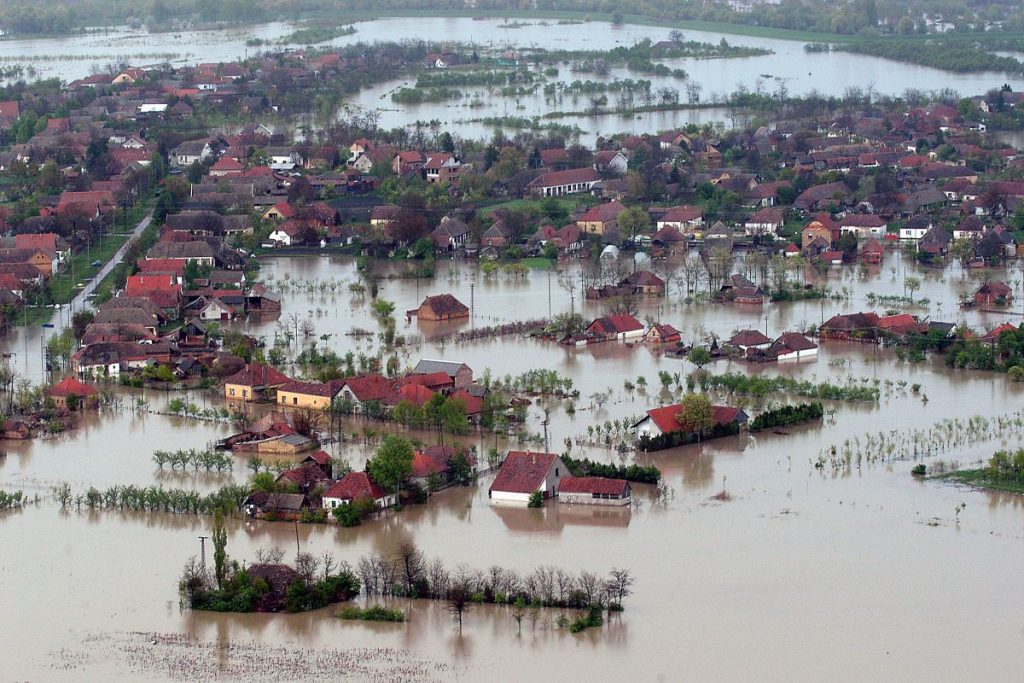

Bangladesh is facing growing pressure on its vital rice harvest after days of heavy pre-monsoon rainfall, combined with strong upstream river flows from India, triggered rising water levels and flooding risks across major agricultural regions, officials said on Wednesday.
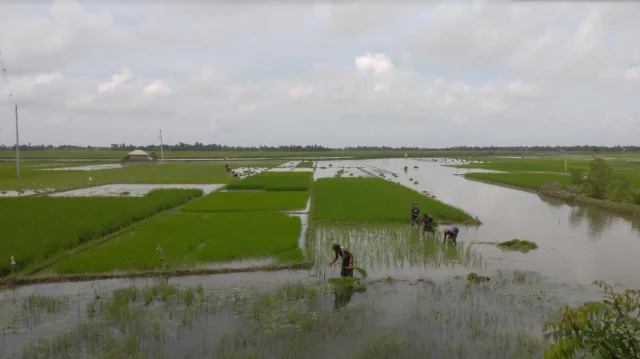
The northeastern haor basin, a critical rice-producing area, has been among the worst affected, with swollen rivers threatening vast stretches of farmland where farmers are currently harvesting the country’s main Boro rice crop.
In several districts, farmers have remained active in the fields despite rising water levels, carefully harvesting rice that is partly submerged in an effort to reduce potential losses as they adapt to challenging conditions.
Local authorities reported that districts including Sunamganj, Sylhet, Kishoreganj, Habiganj, and Moulvibazar have seen widespread inundation. In some areas, rivers overflowed, and embankments were overtopped or weakened, allowing water to spill into agricultural land.
Officials attributed the situation to sustained rainfall across the region, combined with increased river inflows from India’s Meghalaya and Assam states, which have intensified pressure on already saturated river systems.
Agricultural officials warned that even brief submersion at this stage of the crop cycle could lead to significant yield losses, with potential impacts on rural livelihoods and national food supply. Vegetable crops have also been damaged in several affected areas.
The Bangladesh Meteorological Department has forecast continued rainfall in the coming days, raising concerns that flooding could expand further across the haor basin if upstream water levels remain high.
Farmers are also grappling with additional challenges, including fuel shortages affecting irrigation systems, which officials link to broader disruptions in global energy markets.
In urban areas, heavy rainfall has caused widespread waterlogging, particularly in Dhaka and Chittagong, where flooded roads have disrupted transport, slowed movement, and placed further strain on drainage infrastructure.
Bangladesh, one of the world’s most climate-vulnerable countries, regularly experiences seasonal flooding. Studies suggest millions of people are exposed to river floods each year, with scientists warning that climate change is increasing both the frequency and severity of extreme weather events.
As a major rice-producing nation, Bangladesh typically meets most of its domestic demand but often relies on imports when extreme weather disrupts harvest output.