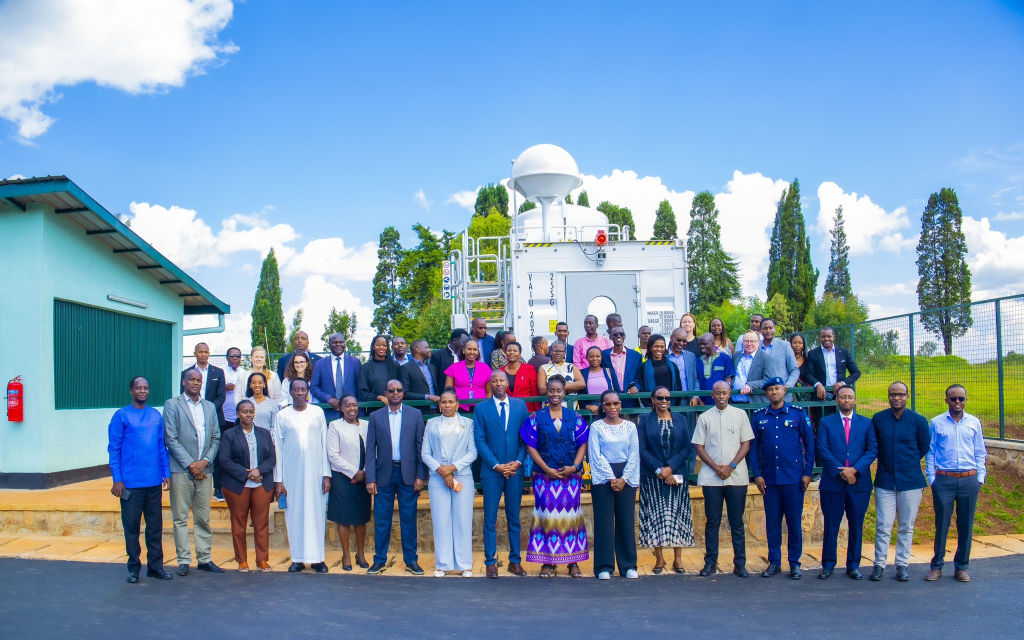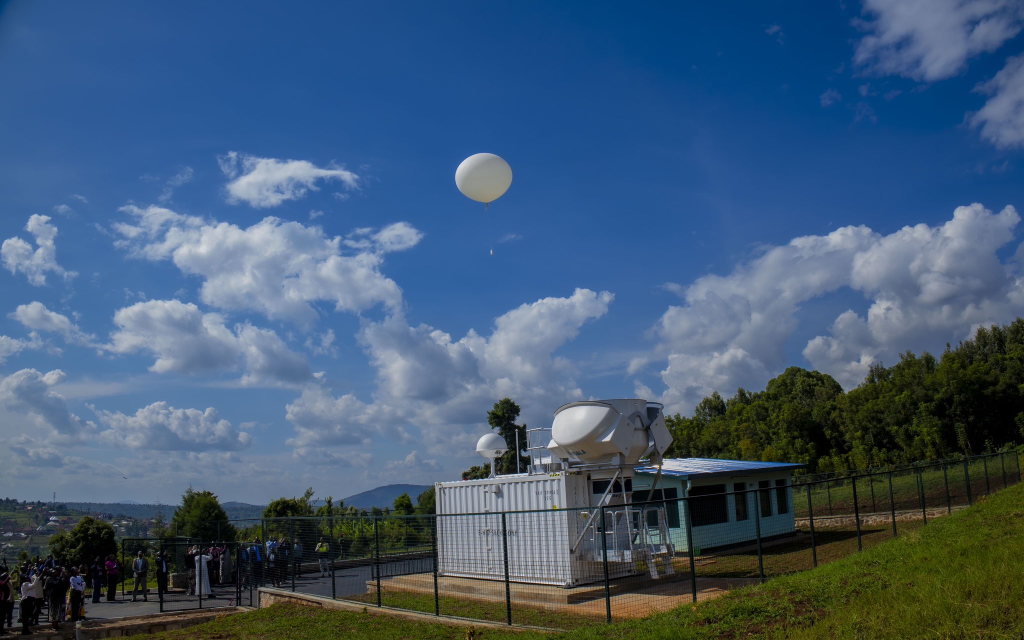

Rwanda has taken another major step in advancing its climate and meteorological capabilities with the official inauguration of its first Automatic Upper-Air Observation Station in Huye District, Southern Province, on June 4, 2026. The facility represents a strategic investment in science-based climate monitoring, positioning the country to significantly improve weather forecasting accuracy, disaster preparedness, and long-term environmental planning.
The upper-air station is designed to continuously measure atmospheric conditions, capturing detailed data on temperature, humidity, air pressure, and wind patterns extending up to 30 kilometres above the Earth’s surface. This high-altitude profiling allows meteorologists to understand better the structure and movement of weather systems, especially in Rwanda’s complex topography, where sudden weather changes can have direct impacts on communities and infrastructure.
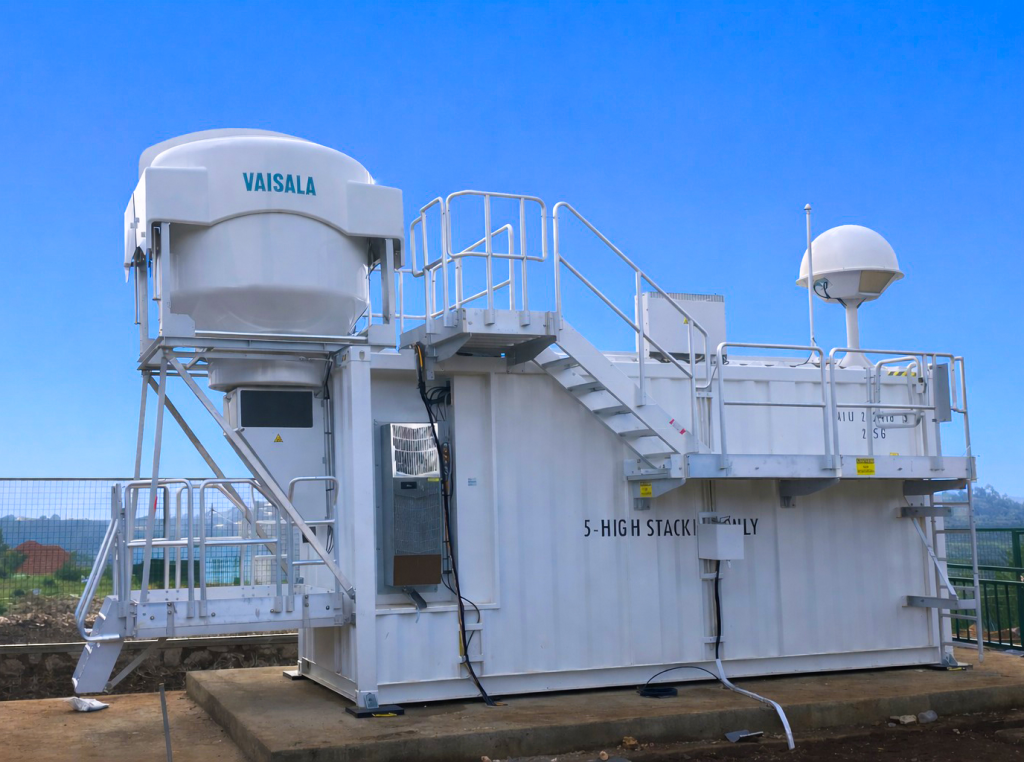
Experts note that this type of observation is essential for modern forecasting systems, as it helps track how storms develop and how air masses interact over time. In practical terms, it means forecasts can become more precise, warnings can be issued earlier, and response systems can be activated more effectively.
Speaking during the launch ceremony, the Director General of the Rwanda Meteorology Agency, Aimable Gahigi, described the installation as a “transformative milestone” in strengthening the country’s climate services. He emphasised that the new station enhances Rwanda’s capacity to produce reliable and timely atmospheric data that supports decision-making across multiple sectors, from agriculture and aviation to disaster risk reduction and urban planning.
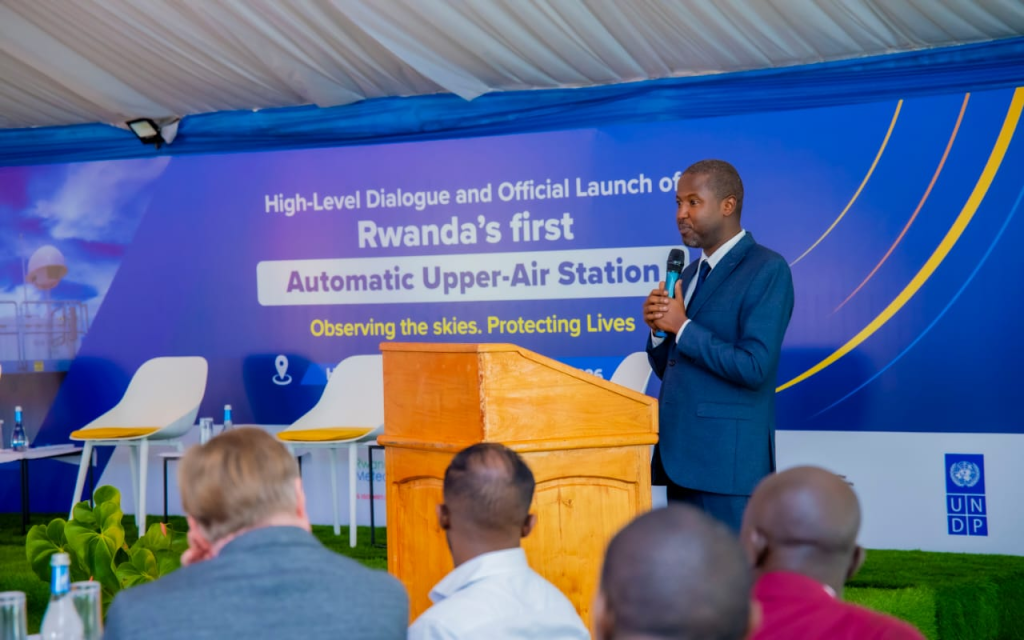
He further highlighted that the development aligns with Rwanda’s broader vision of building a climate-resilient and knowledge-based economy, where data and technology play a central role in protecting lives and supporting sustainable growth. According to him, strengthening observation systems is not only a scientific achievement but also a national development priority.
The project was implemented through a strong international partnership involving the Systematic Observations Financing Facility (SOFF), the World Meteorological Organisation (WMO), the United Nations Development Programme (UNDP Rwanda), and the Finnish Meteorological Institute (FMI). These institutions provided both financial support and technical expertise, helping Rwanda advance toward Global Basic Observing Network (GBON) compliance standards.
Beyond its technical value, the station is expected to deliver widespread socio-economic benefits. In agriculture, improved short-term and seasonal forecasts will help farmers plan planting cycles more effectively, manage rainfall variability, and reduce crop losses from unexpected weather events. This is particularly important in a country where a large share of the population depends on rain-fed agriculture.
In the aviation sector, the availability of real-time upper-atmospheric data will improve flight safety and operational efficiency. Information on wind shear, turbulence, and cloud formation will help pilots and air traffic controllers make safer decisions, particularly at Kigali International Airport and regional air routes that are sensitive to sudden atmospheric shifts.
The system is also expected to strengthen Rwanda’s disaster risk management framework significantly. By feeding real-time atmospheric data into early warning systems, authorities will be able to detect extreme weather patterns earlier and communicate timely alerts to communities. This improved preparedness can help reduce the impact of floods, landslides, and heavy rainfall events that have historically affected vulnerable regions.
In addition, the station contributes to global climate science by filling critical data gaps in upper-air observations across Africa. This positions Rwanda not only as a beneficiary of climate technology but also as an active contributor to international meteorological research and global forecasting models.
The Huye facility is part of a wider $3.5 million initiative under the SOFF programme aimed at upgrading Rwanda’s meteorological infrastructure to meet international standards under the Global Basic Observing Network (GBON). The broader project has already supported the rehabilitation of surface weather stations in Karongi, Nyagatare, and Ngoma districts, equipping them with advanced sensors that provide continuous real-time environmental data.
As Rwanda continues to invest in modern climate infrastructure, officials say the long-term goal is to build a fully integrated national weather observation system capable of delivering highly accurate forecasts for every region of the country. This is expected to strengthen national resilience, improve productivity across climate-sensitive sectors, and support evidence-based policy-making.
This new upper-air station enhances Rwanda’s capacity to forecast weather more accurately and reflects the country’s strong commitment to innovation, environmental sustainability, and climate-smart development in an era of growing global environmental challenges.