
The findings were released on June 17, 2026, and show that Tanzania hosts 28 species of large mammals across its national parks and protected areas, highlighting the country’s rich biodiversity.
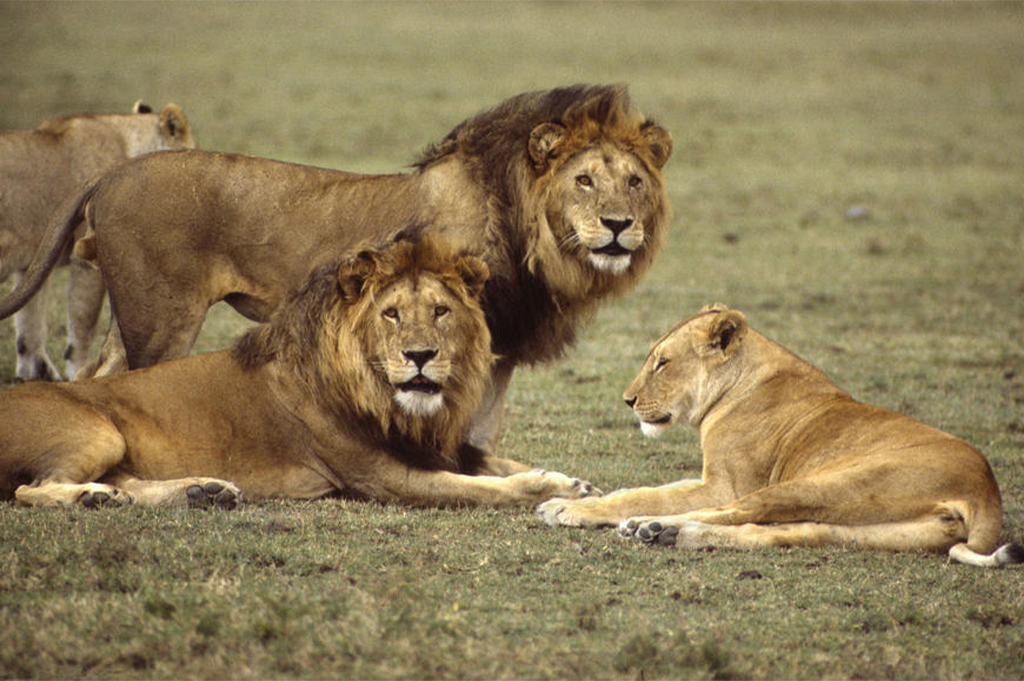
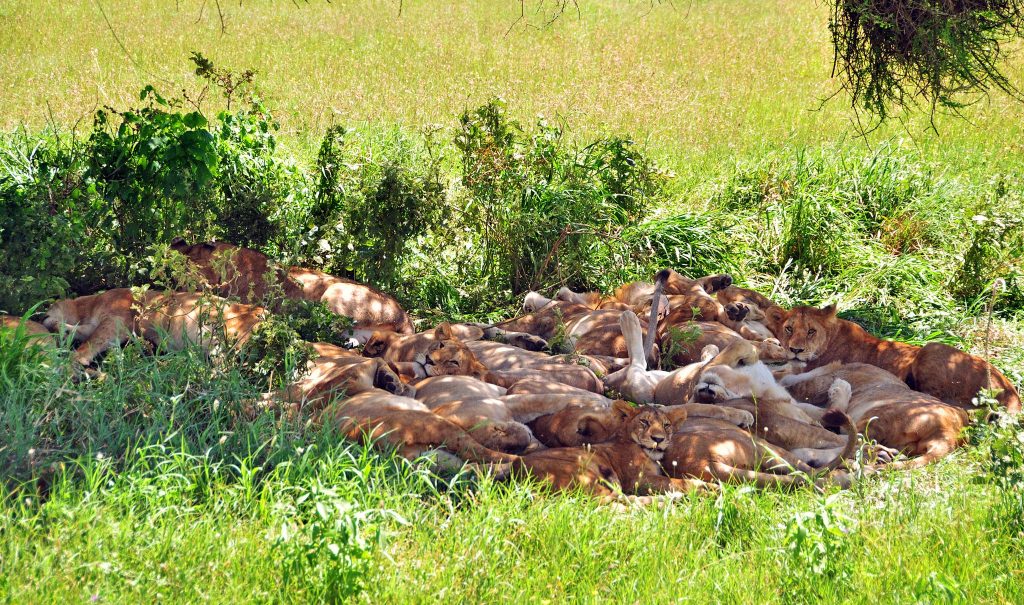
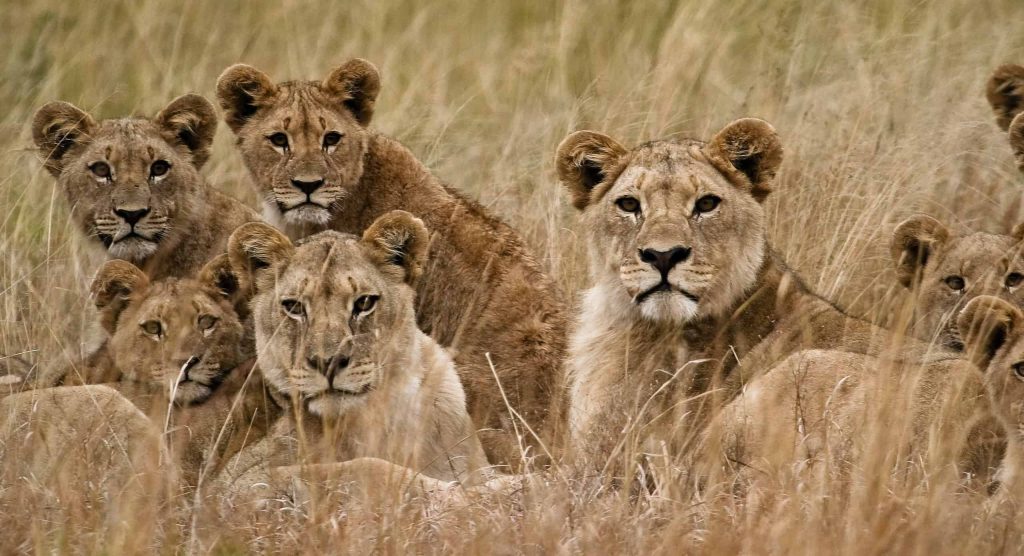
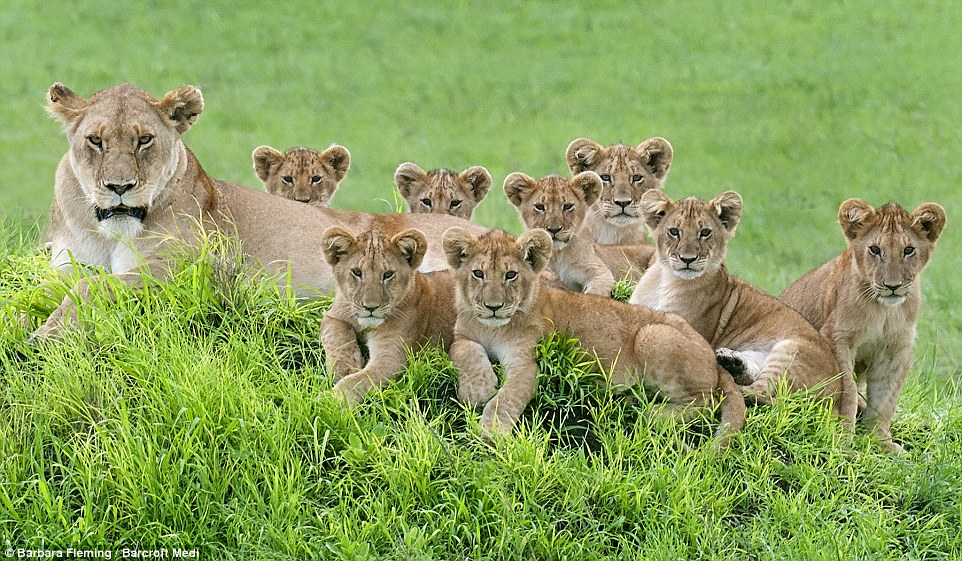
According to the report, Tanzania ranks first globally in lion numbers, far ahead of South Africa, which is estimated to have slightly more than 3,000 lions.
The East African nation also boasts the largest buffalo population on the continent, with 321,437 buffalo recorded during the survey.
In addition, Tanzania ranks third in Africa in elephant numbers, with 66,737 elephants, and fourth in rhinoceros population, with 322 rhinos.
These animals are spread across some of the country’s most renowned protected areas, including Serengeti National Park, Ngorongoro Conservation Area, Tarangire National Park, Lake Manyara National Park, and Arusha National Park.
The census was carried out by the Tanzania Wildlife Research Institute to assess the status of wildlife populations and provide data that can guide conservation policies and management strategies.
Minister of Natural Resources and Tourism Ashatu Kijaji described the report as an important tool for developing policies and laws aimed at protecting the country’s wildlife resources.
She said the results demonstrate the success of measures implemented to address threats facing wildlife, including poaching, habitat destruction and other human activities that had negatively affected animal populations.
Kijaji noted that the increase in wildlife numbers reflects years of conservation efforts and investments made by the government and its partners to preserve ecosystems and ensure that Tanzania remains one of the world’s leading destinations for wildlife tourism.
The minister added that safeguarding biodiversity is not only essential for environmental sustainability but also plays a major role in supporting tourism, one of Tanzania’s biggest sources of foreign exchange and employment.
With globally renowned parks such as the Serengeti and Ngorongoro, Tanzania continues to attract millions of visitors annually, while strengthening its reputation as one of Africa’s premier wildlife destinations.