
The bill was backed by 200 lawmakers, comfortably surpassing the two-thirds majority required for constitutional amendments.
The proposed changes would also abolish the direct election of the president, transferring the responsibility of choosing the head of state to Parliament rather than the electorate.
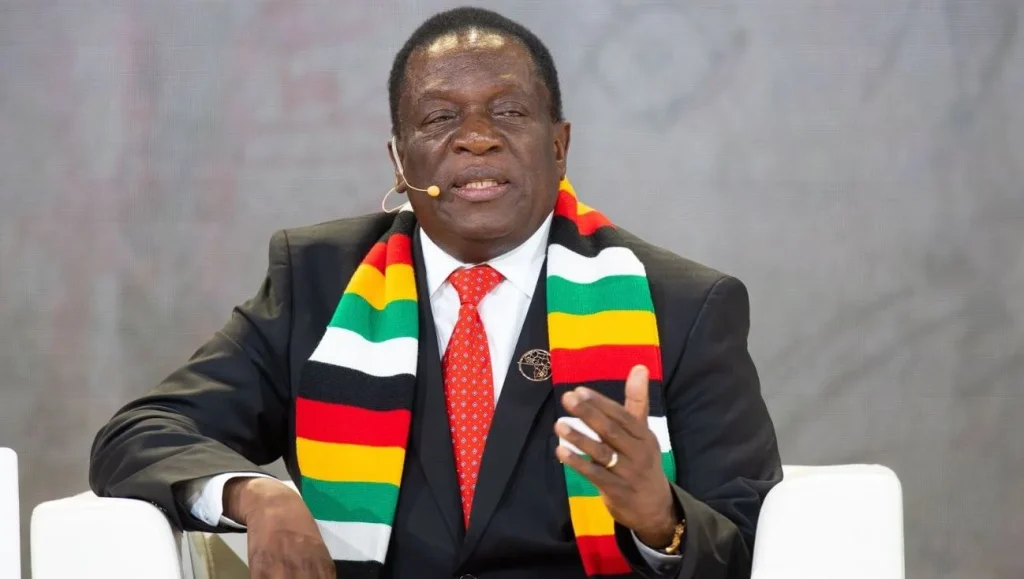
Mnangagwa came to power in November 2017 following the removal of longtime leader Robert Mugabe, who had ruled Zimbabwe for 37 years. He was subsequently elected president and secured a second term in office.
Before becoming law, the bill must still be approved by the Senate. Once passed by the upper house, it will be submitted for formal enactment.
Supporters of the amendment, mainly members of the ruling ZANU-PF party, argue that the reforms will promote political stability, reduce the costs associated with organizing elections and allow the government to implement long-term development policies without interruptions.
They also contend that less frequent electoral processes would help the country focus resources on economic recovery and infrastructure development.
However, the proposed changes have triggered criticism from opposition figures, civil society groups and some veterans of Zimbabwe’s liberation struggle, who accuse the government of seeking to entrench Mnangagwa’s rule.
Critics argue that eliminating direct presidential elections would weaken democratic accountability and deny citizens the opportunity to choose their own leader through the ballot box.
Some analysts have warned that the move could deepen political tensions in the country, which has experienced periods of instability and economic difficulties over the years.
Mnangagwa, who succeeded Mugabe after the military-backed transition of 2017, has repeatedly faced calls to improve governance and revive Zimbabwe’s struggling economy. The latest constitutional changes are expected to spark further debate over the future of democracy and political succession in the southern African nation.
Opposition parties and rights groups are likely to intensify their campaign against the bill as it heads to the Senate, where its passage would bring Zimbabwe one step closer to implementing one of the most significant constitutional changes since Mnangagwa assumed power.