
As the holy month of Ramadan begins in the Gaza Strip, Palestinians are observing the sacred season of fasting and prayer amid hardship, displacement, and a fragile peace. After more than two years of conflict that devastated infrastructure, killed tens of thousands, and forced mass displacement, the relative calm brought by a ceasefire offers cautious optimism. However, many residents remain fearful of renewed violence, especially given past escalations during Ramadan.
Sacred Observance Amid Displacement
In central Gaza’s crowded displacement camps, such as Bureij refugee area, families have decorated worn tents with simple lanterns and drawings to mark Ramadan’s arrival, as reported by Al Jazeera. These small gestures bring comfort to children and preserve cultural traditions.
Maisoon al‑Barbarawi, a mother of two, told Al Jazeera, “My means are limited, but what matters is that the children feel happy.” Despite the relative calm, nightly shelling and sporadic clashes serve as reminders that peace is fragile.
Food Scarcity and Humanitarian Struggle
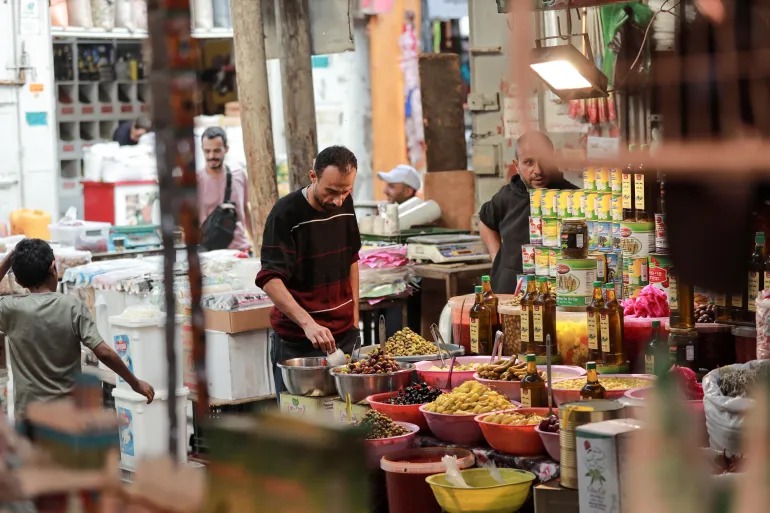
Food insecurity remains one of Gaza’s most pressing challenges, as reported by the World Food Programme (WFP) and the UN Office for the Coordination of Humanitarian Affairs (OCHA). Limited aid deliveries and partially reopened markets have improved the availability of some food items, but prices remain high, and access is inconsistent.
Many families rely entirely on humanitarian assistance for daily sustenance. Without electricity or refrigeration, households must buy and cook food in small quantities each day to prevent spoilage.
Loss, Memory, and Community Resilience
Ramadan in Gaza is marked not only by scarcity but also by grief, as reported by Al Jazeera. Families gather for iftar with empty seats at the table where loved ones once sat, a painful reminder of lives lost during the conflict. Despite these losses, community bonds remain strong. Neighbors share limited resources, help with communal food distribution, and gather for prayers, reflecting Gaza’s enduring communal spirit under extreme hardship.
Anxieties of Recurrence
The memory of last year’s escalations during Ramadan, which included renewed fighting and severe shortages, shapes how residents approach this month, as reported by Al Jazeera. Many families discuss stockpiling flour, oil, or other essentials in case conditions deteriorate. The psychological impact of repeated conflict has made stability feel temporary rather than guaranteed.
Hope Amid Hardship
Ultimately, Ramadan in Gaza is a testament to resilience and faith. Residents hope for peace, sufficient food, and the opportunity to rebuild their lives. Even in displacement, the spiritual essence of Ramadan endures, as families pray not only for blessings but also for safety, stability, and the chance to return home one day.