
Rwanda is preparing to enter the fine-wine industry through a new vineyard project in the northern district of Musanze, near Volcanoes National Park.
VINMUSA Vineyard Estate is backed by about $22 million in investment and is expected to eventually produce around 90,000 bottles of wine each year. The project will cover about 22 hectares across Musanze, Burera and Nyabihu districts.
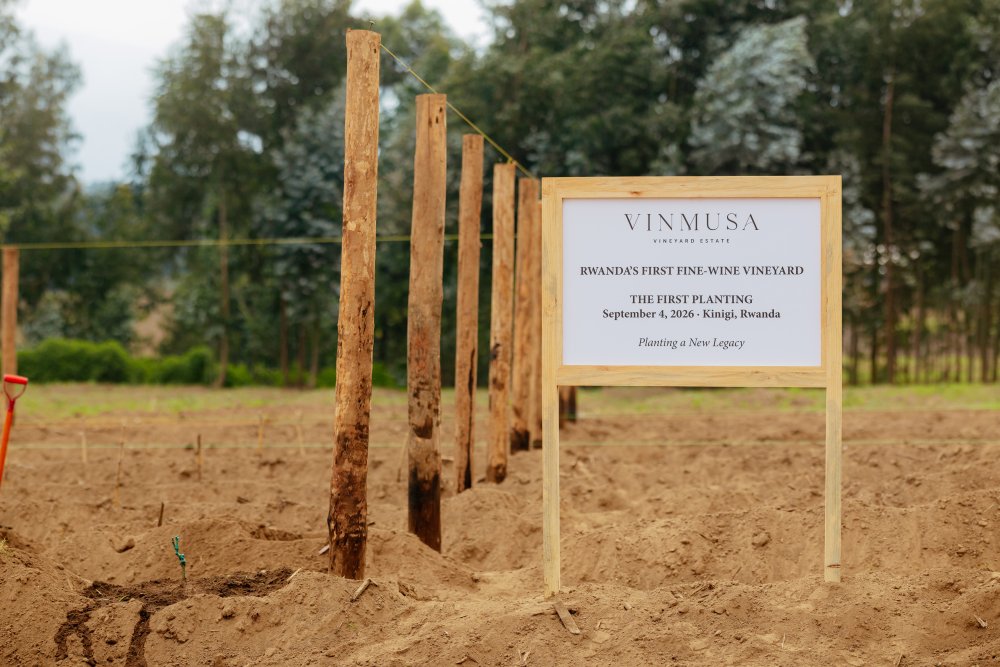
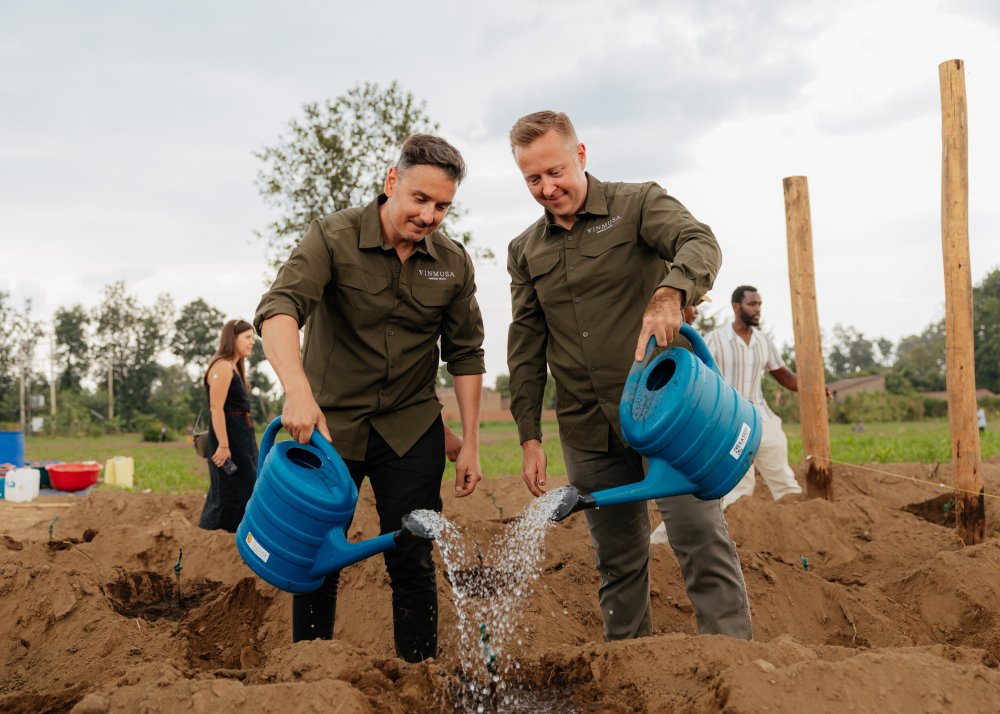
The first vines have already been planted in Kinigi, Musanze. The estate will use three different locations to study how Rwanda’s high altitude, volcanic soils and local climate affect grape growing.
One of the planned sites, near Mount Karisimbi in Nyabihu, sits at about 2,700 metres above sea level and is expected to become one of Africa’s highest commercial vineyards.
The project will grow varieties including Chenin Blanc, Sauvignon Blanc and Pinotage, with technical support from South African wine specialists. The different sites are expected to produce both white and red wines.
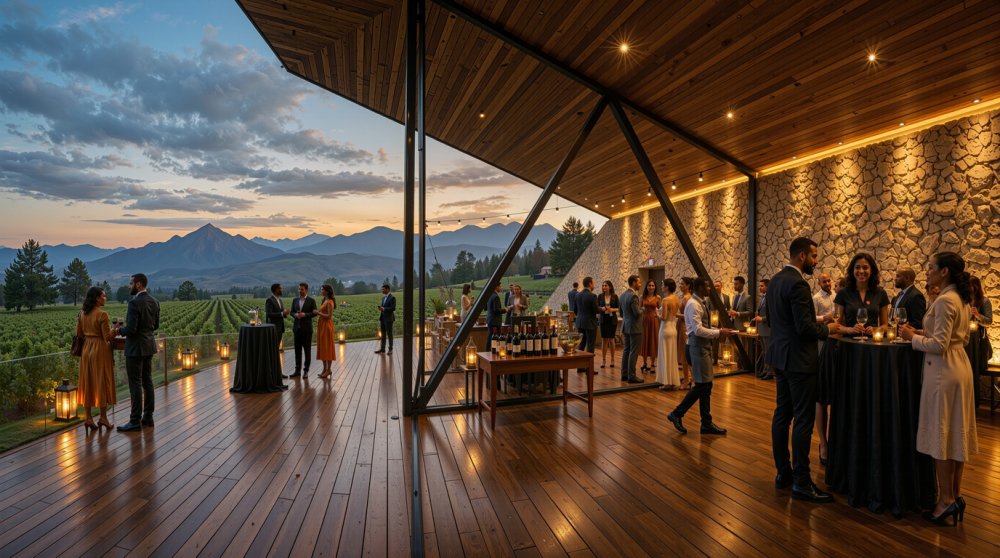
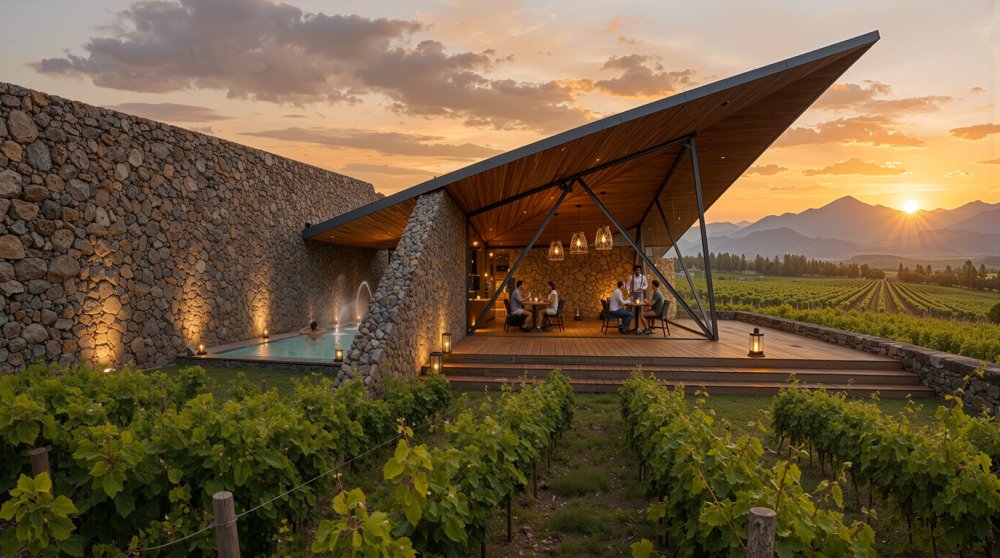
Beyond wine production, VINMUSA is being developed as an agritourism and hospitality destination. Plans include a winery, guest retreats, a wine-tasting centre and other visitor facilities in Kinigi.
The investment is also creating opportunities for local communities. More than 30 local vineyard workers have already been employed, while women farmers and young people are being involved in activities linked to the project.
The first harvest is expected about three years after planting, while production will increase as more vines are added. The project could also help Rwanda reduce its dependence on imported grapes and create new opportunities in agriculture, tourism and wine-related skills.
For Rwanda, the vineyard represents more than a new product. It adds another chapter to the country’s growing investment and tourism story, using its volcanic landscapes and high-altitude farming conditions to develop a new business sector.