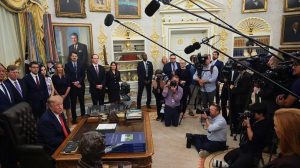
Trump bans CNN, MS NOW and Politico from White House
US President Donald Trump has announced that CNN, MS NOW and Politico are barred from the White House, directing that the decision be implemented immediately.

US President Donald Trump has announced that CNN, MS NOW and Politico are barred from the White House, directing that the decision be implemented immediately.
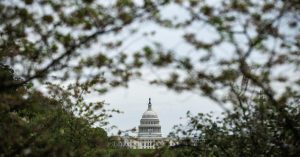
As artificial intelligence develops rapidly, US lawmakers remain divided over how to regulate the technology without slowing innovation.
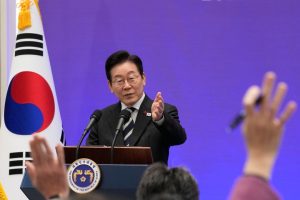
President Lee Jae Myung says Seoul will continue efforts to support dialogue between Washington and Pyongyang while keeping South Korean troops out of the Iran war.
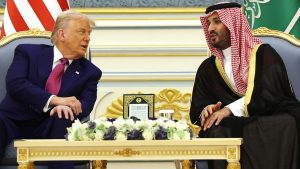
The proposed sale of 48 advanced F-35 fighter jets to Saudi Arabia has raised concerns in Washington over sensitive military technology and the kingdom’s growing ties with China.
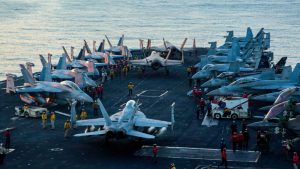
The six-month war between the United States and Iran has cost the US government nearly $38 billion, according to estimates by the Congressional Budget Office (CBO), which says the cost could rise by another $3 billion every month for as long as the conflict continues.

Rwanda is taking a 25% stake in a new tungsten venture with Canadian mining company Almonty Industries as the two sides seek to increase mineral processing in the country.
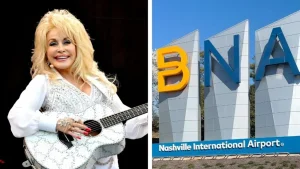
The board overseeing Nashville International Airport in Tennessee, United States, has approved a proposal to rename the airport in honor of late country music icon Dolly Parton.
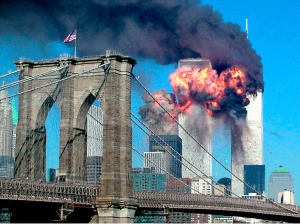
The U.S. Central Intelligence Agency (CIA) has released more than 100 documents prepared for Presidents Bill Clinton and George W. Bush, revealing intelligence warnings they received about al-Qaeda and Osama bin Laden before the September 11, 2001, terrorist attacks.

The United States has struck five Iranian oil tankers in the latest escalation between Washington and Tehran, after Iran launched ballistic missiles at a US Navy warship. The attacks have raised fresh concerns over oil supplies and shipping security in the Strait of Hormuz.

WASHINGTON, Republican candidates are increasingly making Islam and Muslim Americans part of their campaign messages as the United States heads toward the November midterm elections, drawing criticism from Democrats and Muslim advocacy groups.