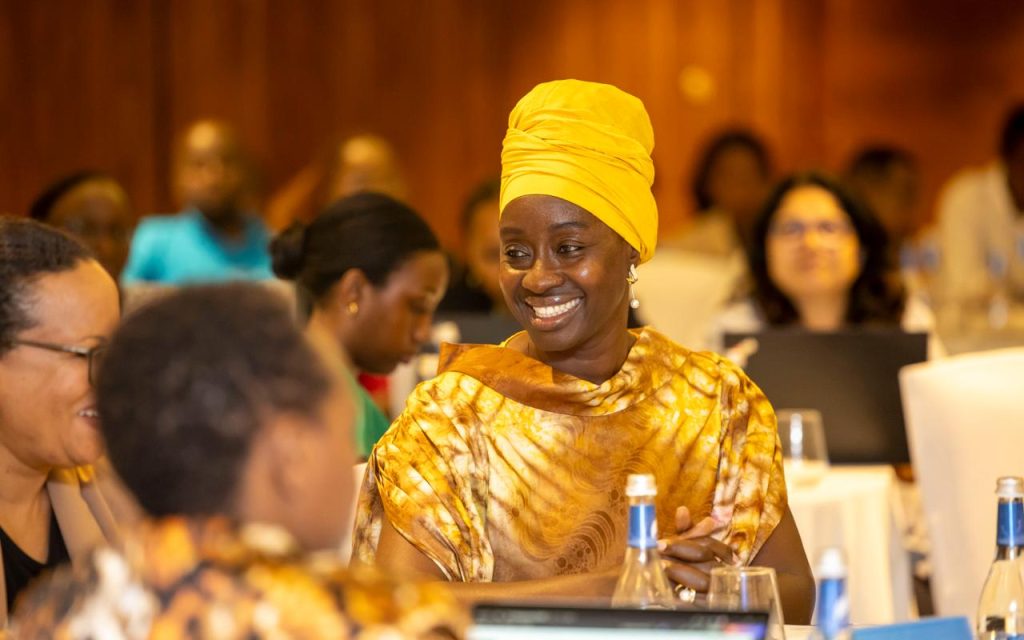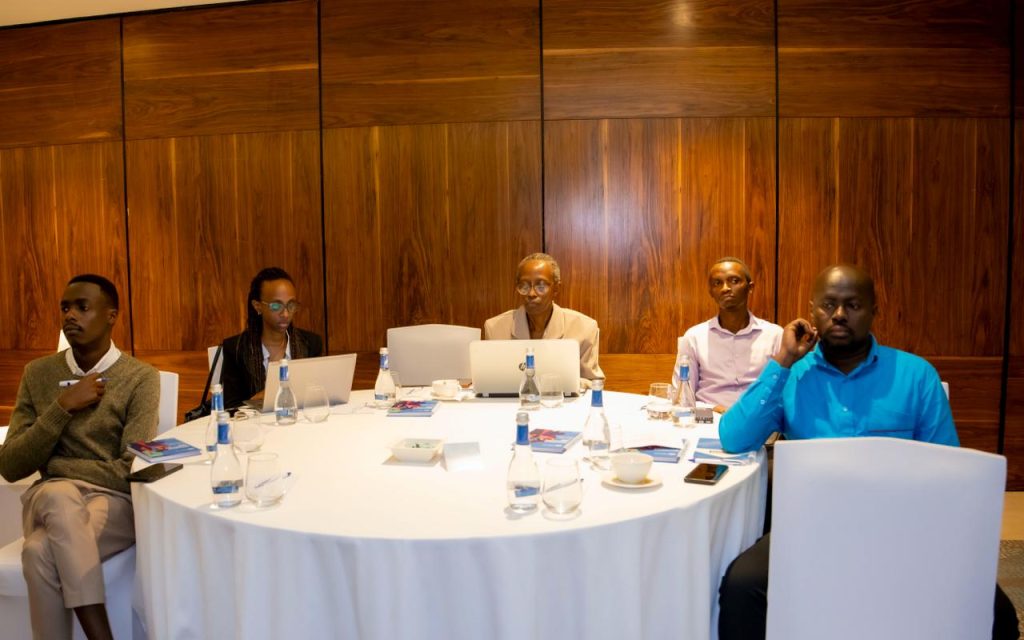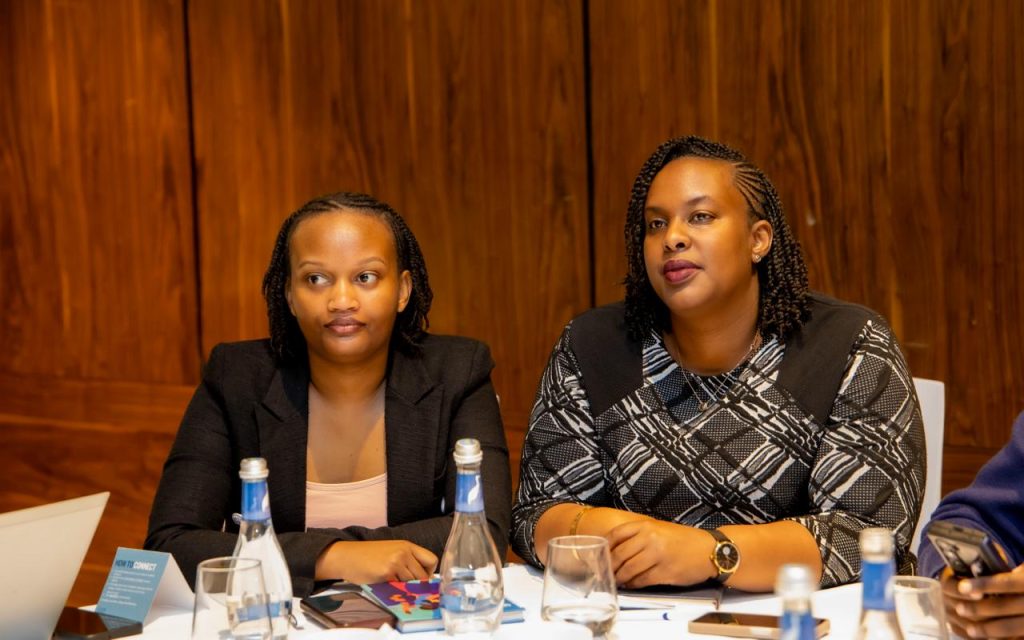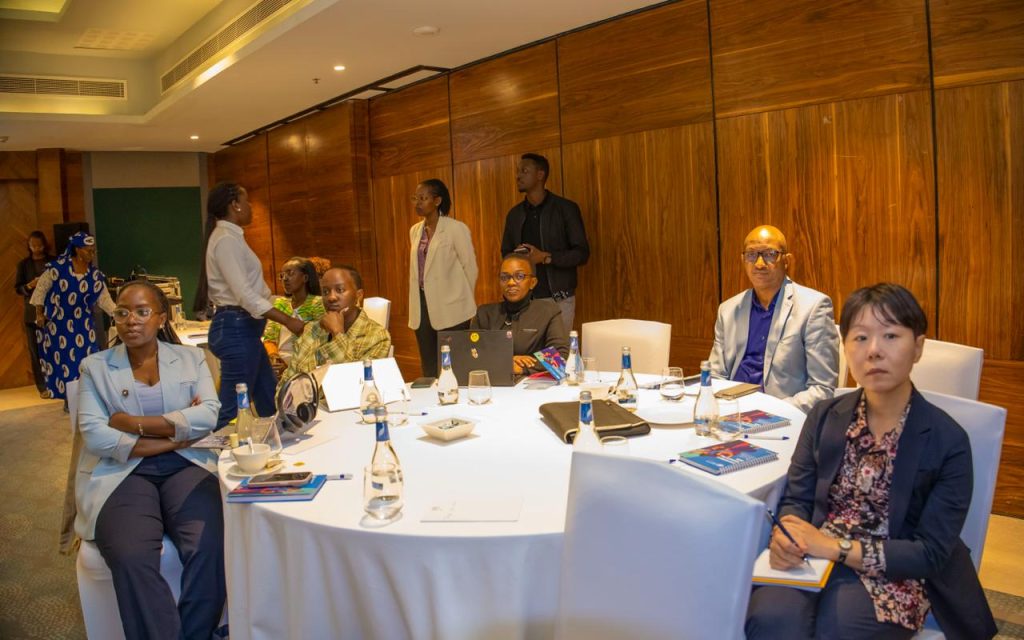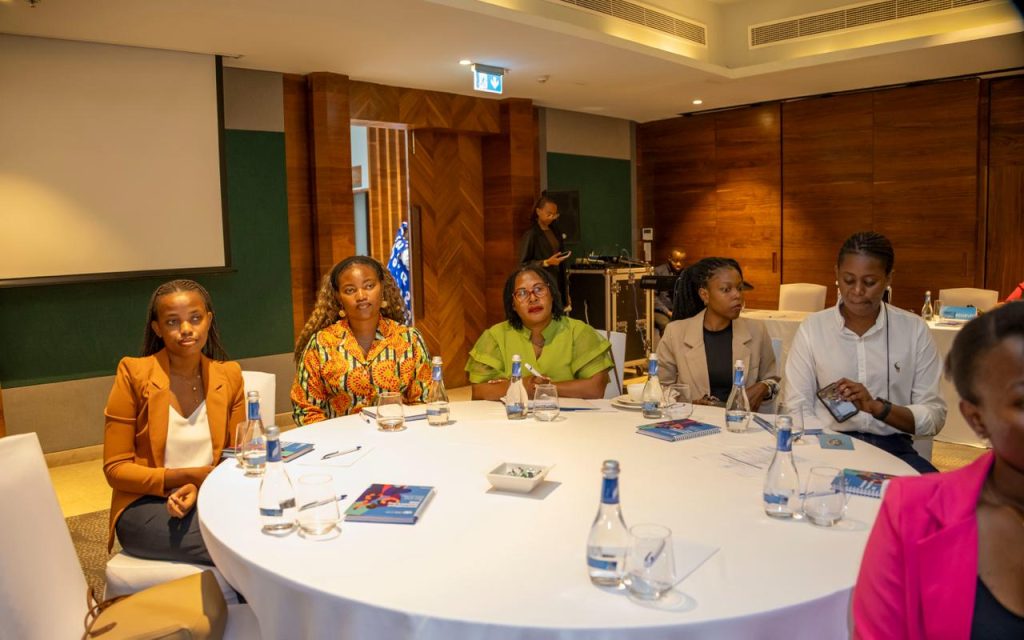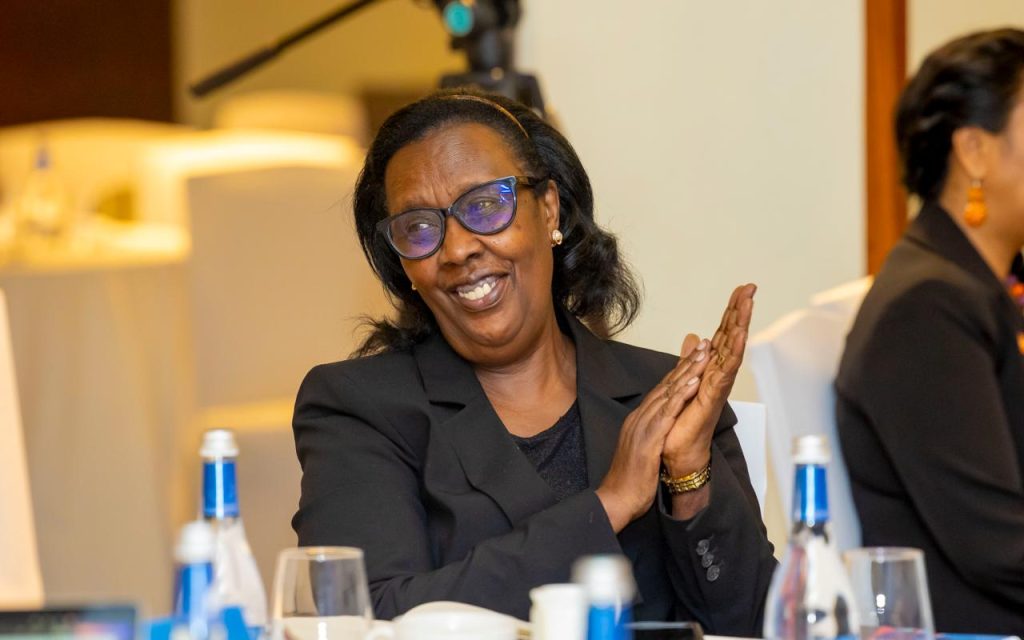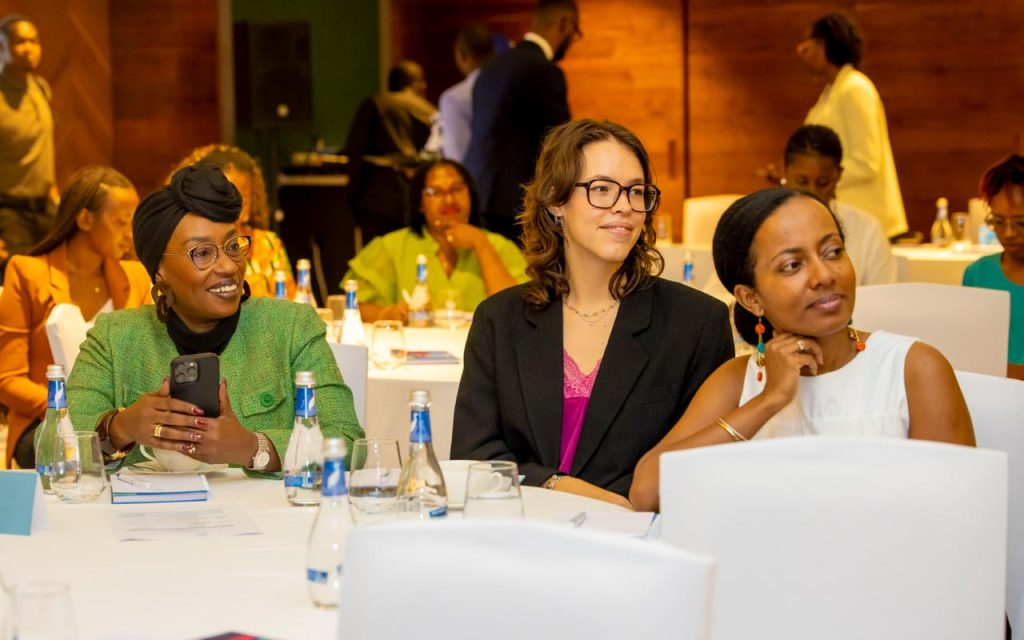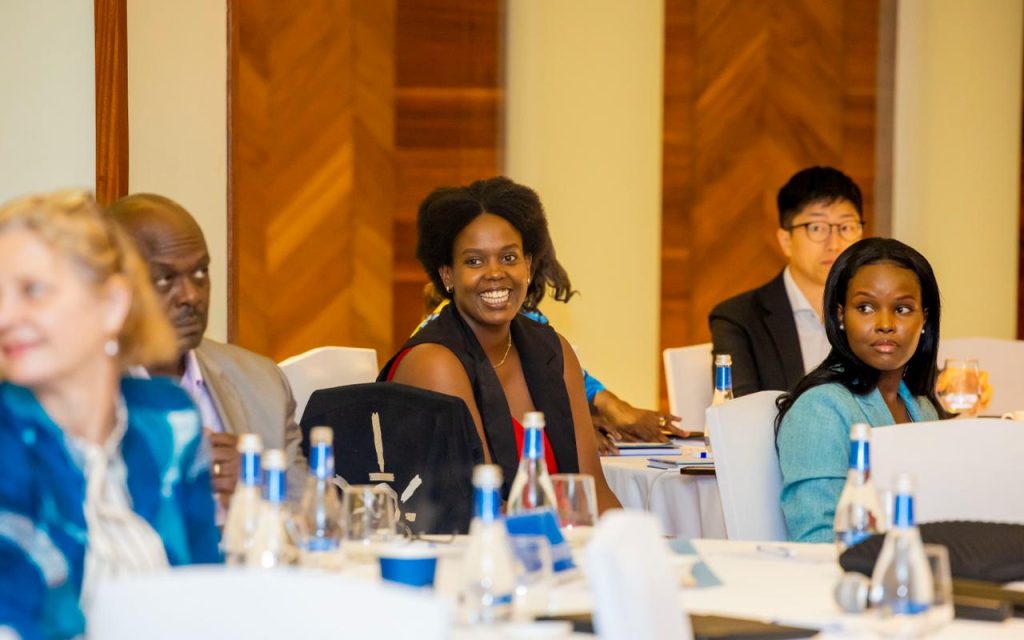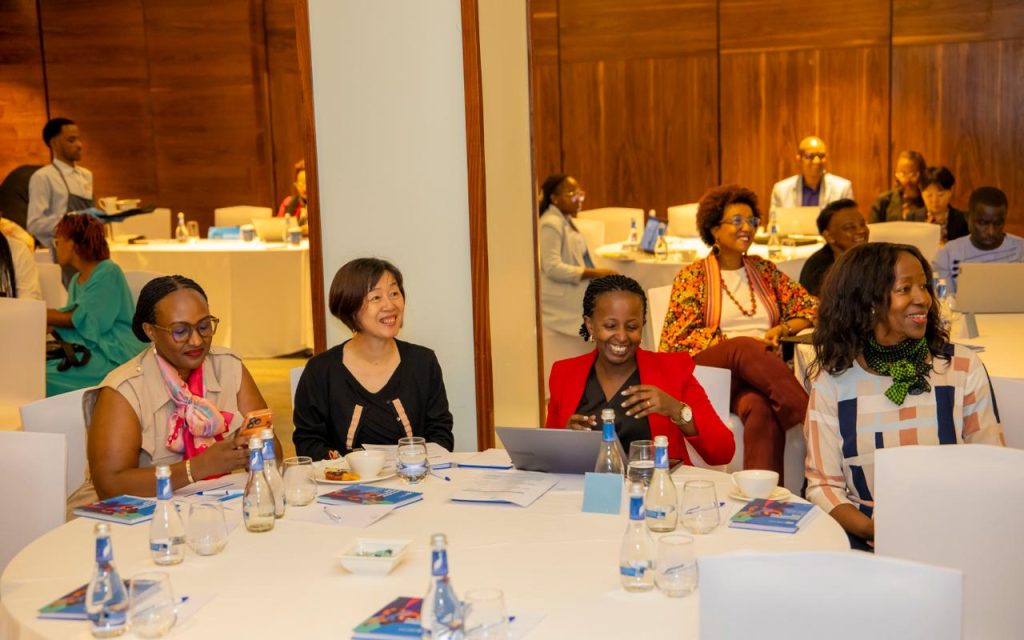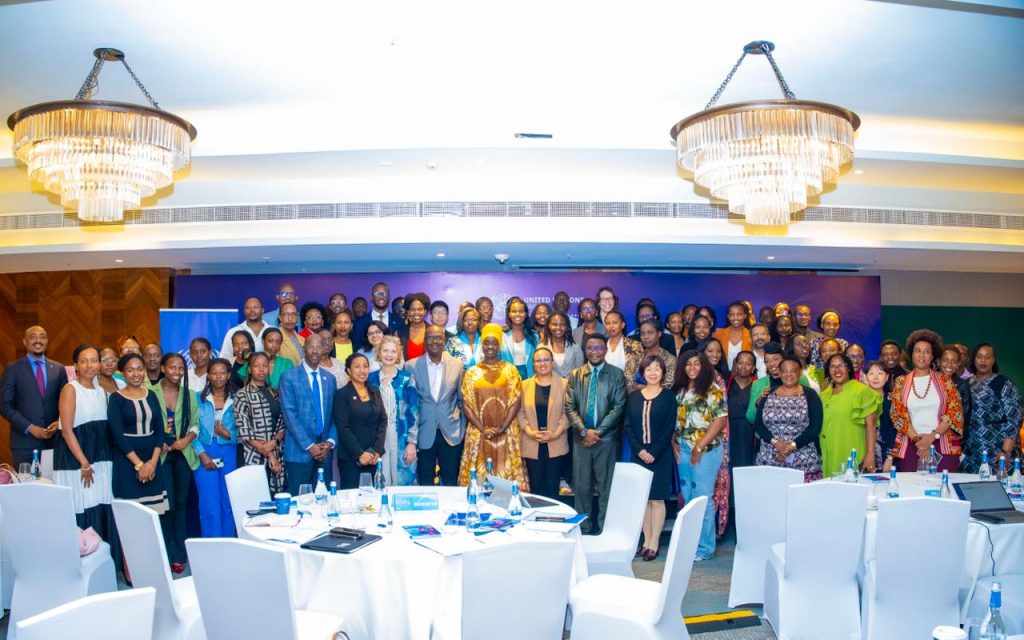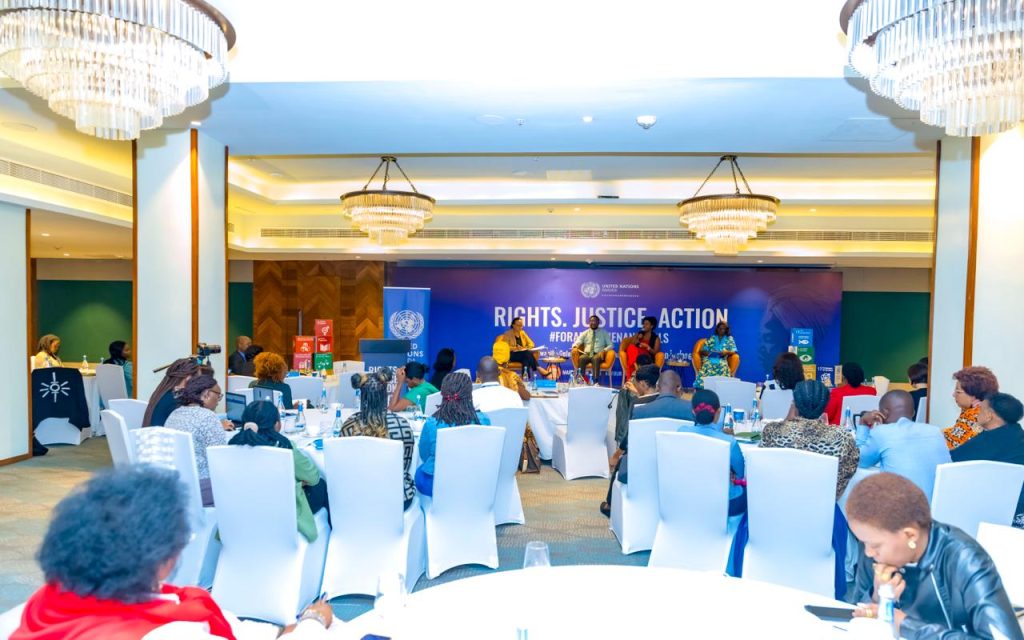

The event brought together government officials, UN agencies, diplomatic corps, civil society, youth, media, and the private sector to reflect on progress and remaining challenges in advancing gender equality.
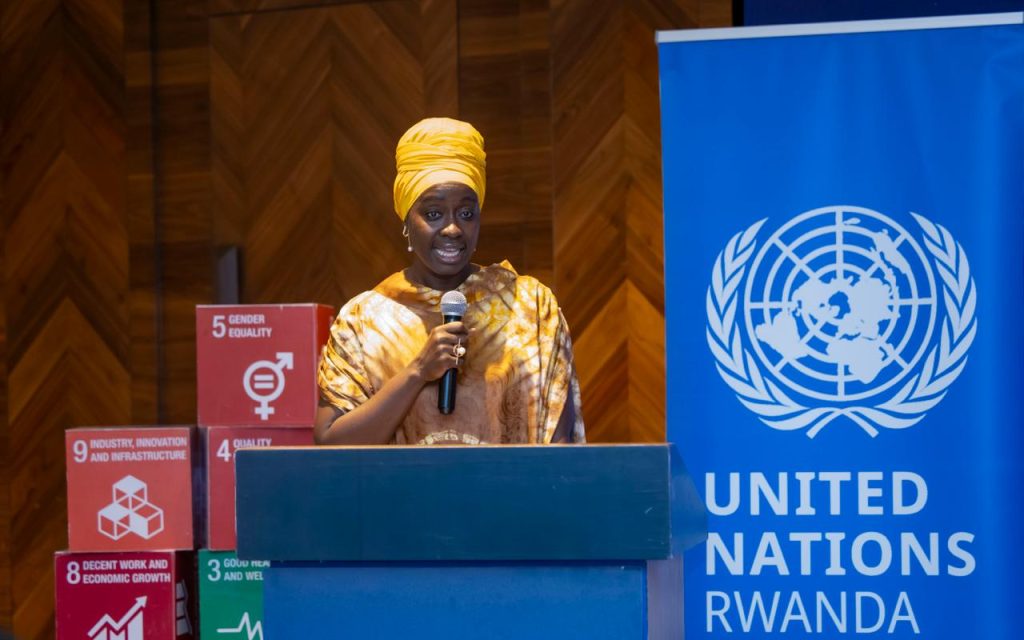
Opening the commemoration, UN Women Representative (OIC) Tikikel Tadele Alemu emphasized that while progress is visible, it remains uneven and requires urgent action.
“Rights without access to justice remain abstract. Justice without action remains delayed. And action that does not reach all women and girls risks leaving the most vulnerable further behind,” she said, calling for stronger accountability and inclusion of vulnerable groups.
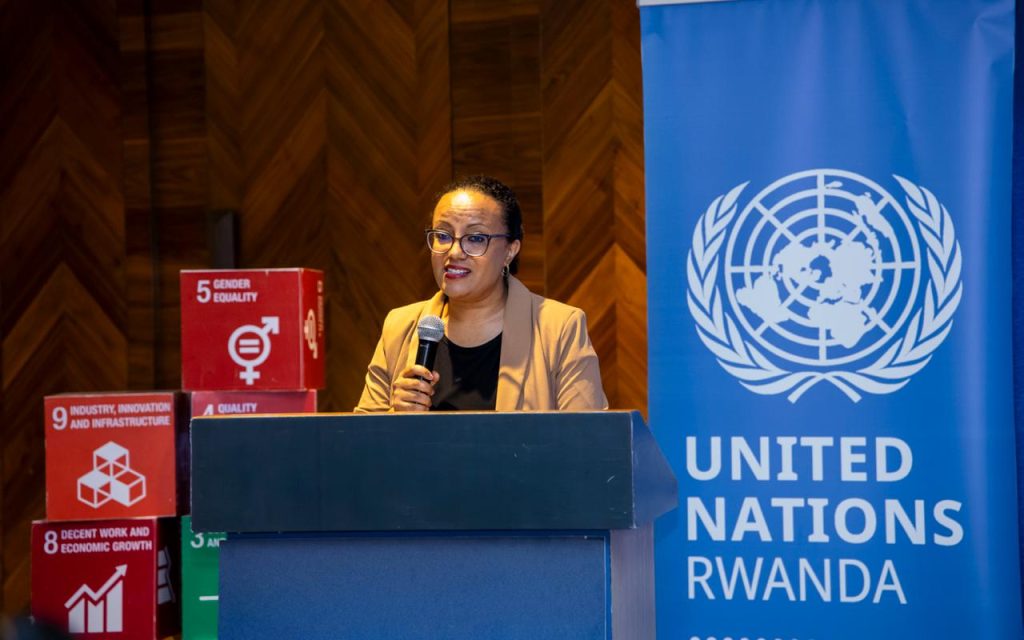
Director-General of Gender Promotion and Women Empowermentat the Ministry of Gender and Family Promotion Silas Ngayaboshya, highlighted Rwanda’s strong legal and institutional framework, including the Constitution, National Gender Policy (2021), and Second National Strategy for Transformation (NST2). He pointed to services such as Isange One Stop Centres, RIB’s Anti-GBV Division, and Maisons d’Accès à la Justice as key tools bringing justice closer to citizens.
He noted that despite progress in women’s leadership and policy reforms, challenges remain in ensuring access to justice and addressing structural barriers.
“How can we continue strengthening the link between these achievements and the everyday experiences of women and girls across all communities?” he posed.
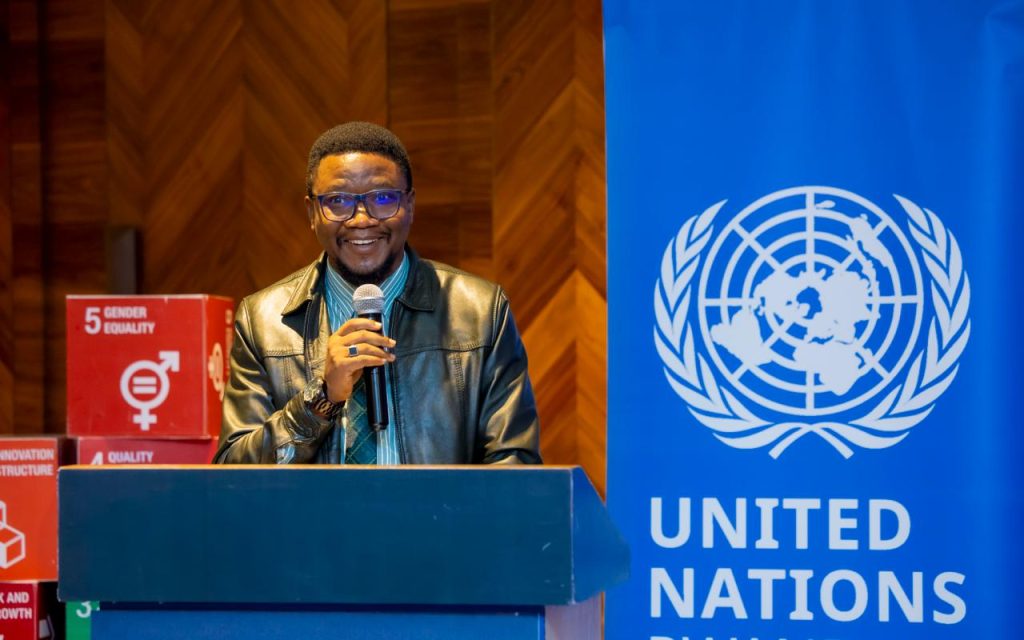
Speaking on behalf of the UN system, UN Resident Coordinator a.i. Dr. Fatmata Lovetta Sesay reaffirmed UN support to Rwanda’s gender agenda, noting the country’s global leadership in women’s representation, including 63.75% in the Chamber of Deputies and strong participation across governance and economic sectors.
She stressed that real progress must be measured in lived experiences, stating that “The true measure of our success will not be the strength of our policies, but the tangible change in the lives of women and girls.”
Dr. Sesay also called for stronger partnerships in policy reform, financing, and innovation to accelerate impact and ensure inclusive development.
Across all interventions, speakers emphasized that gender equality is both a human rights and development priority. As Rwanda and global partners building on the Beijing+30, participants were urged to move from commitments to measurable action.