
Infrastructure Minister Damien Murwanashyaka told the Senate’s Economic and Finance Committee on September 22 that electricity production from hydropower falls when water levels drop during dry periods.
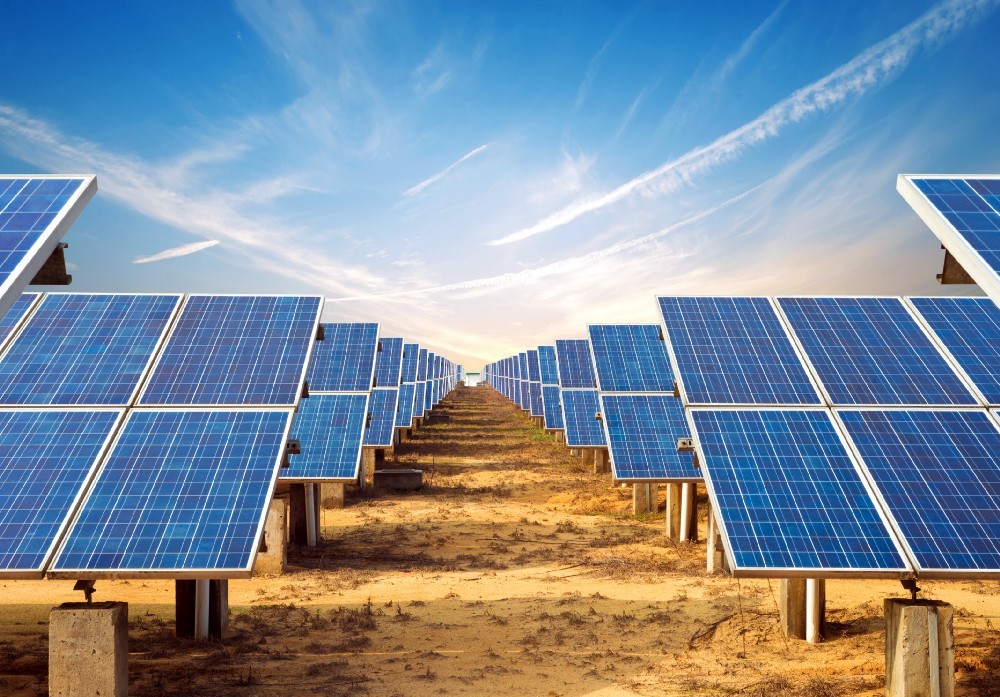
He said the government is working to increase alternative sources of electricity, particularly solar energy, to cover the gap created by lower hydropower production.
The minister said the country has the projects and capacity needed to address the problem and expects the situation to improve significantly by 2029.
Rwanda is also working on ways to store electricity produced during periods of high solar generation. The stored power could then be used when electricity production from other sources falls.
According to figures from Rwanda Energy Group (REG), the country currently has about 472 megawatts of electricity generation capacity.
By the end of the second National Strategy for Transformation (NST2) period in 2029, Rwanda expects to add about 523.73 megawatts.
Solar power is expected to provide the largest share of the planned increase, with 300 megawatts. Hydropower projects are expected to add 58.76 megawatts, while methane gas projects will contribute another 165 megawatts.
Murwanashyaka said several projects are already under development, with some having passed the halfway mark.
He rejected the idea of relying heavily on diesel generators to deal with dry-season shortages, saying their high operating costs would make them unsuitable as a long-term solution.
Instead, the government plans to diversify the country’s energy sources and increase investment in renewable energy.
Rwanda also wants to expand electricity access across the country. About 88% of households currently have access to electricity, while the government has set a target of reaching 100% by 2029.
Twenty-five administrative villages, known as cells, remain without electricity. The minister said they are expected to be connected by the end of the 2026/27 financial year.
The government also plans to work with private companies to increase local production of energy-related equipment, including cables and solar components.