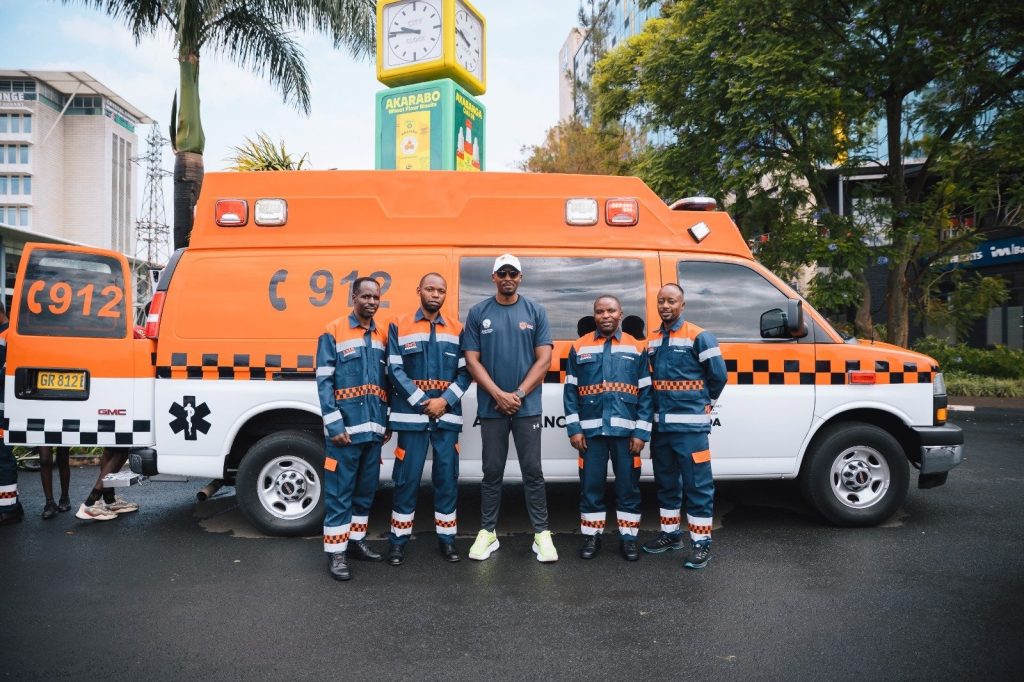
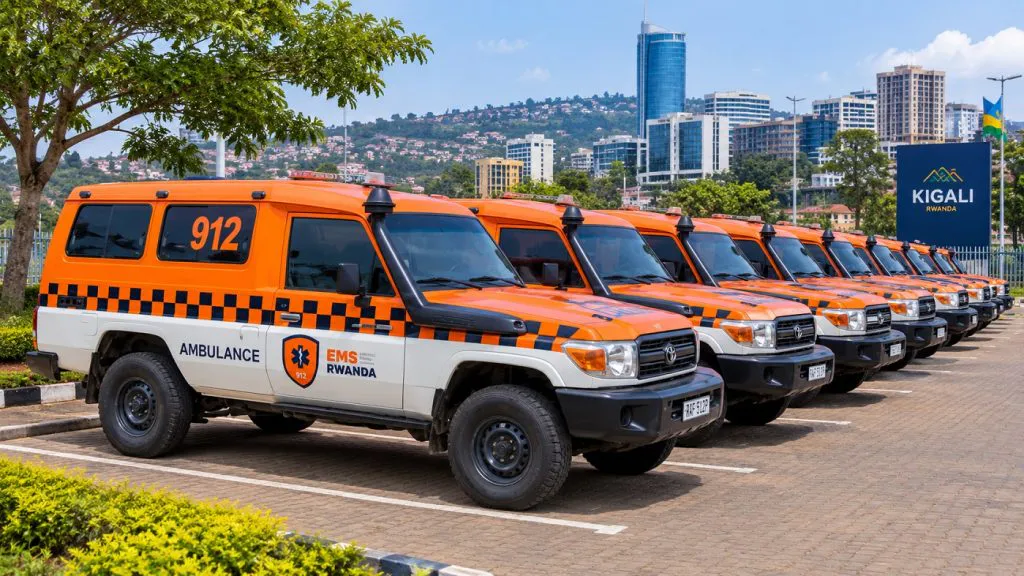

The initiative aims to reduce ambulance response times, increase the number of ambulances and introduce alternative emergency response options, including motorcycles, boats and aircraft, depending on where an emergency occurs.
The reforms were officially launched on November 22, 2026, during the Car Free Day activities held in Kigali.
The Ministry of Health says the programme is intended to address longstanding challenges in emergency medical services, including delays in reaching patients, an inadequate number of ambulances and a shortage of specialised skills needed to care for people in critical condition.
The reforms are intended to ensure that anyone involved in an accident, experiencing a medical emergency such as a heart attack or stroke, a woman facing complications during childbirth, or anyone else in need of urgent medical attention receives timely assistance and basic treatment before reaching hospital.
One of the major changes will be a reduction in the time people spend waiting for an ambulance. Ministry of Health figures show that in previous years, people requiring emergency assistance could wait up to 45 minutes in Kigali and two and a half hours in areas outside the capital.
However, progress has already been made, with average response times falling to 15 minutes in Kigali and 45 minutes in other parts of the country.
Under the new reforms, Rwanda aims to reduce ambulance response times further to 10 minutes in Kigali and 20 minutes in other parts of the country.
Another key measure is to increase the number of ambulances. In 2023, Rwanda had 263 ambulances, but the number had risen to approximately 530 by 2026.
The new programme plans to continue expanding the fleet until the country has at least one ambulance for every 20,000 people.
It also provides for different categories of ambulances equipped for specific emergencies. These will include specialised vehicles for newborn babies, ambulances for transporting patients with infectious diseases, and larger vehicles capable of responding to incidents involving multiple casualties, particularly major accidents and disasters.
Emergency response services will also be expanded to include motorcycles, boats and aircraft, depending on the location and nature of each emergency.
Emergency Care to Begin Before Patients Reach Hospital
A key principle behind the reforms is that emergency medical care should begin at the scene of an incident rather than waiting until a patient arrives at a hospital.
The new programme therefore places greater emphasis on strengthening the capacity to assess and treat patients at the scene and while they are being transported to hospital.
To support this approach, Rwanda plans to establish the country’s first school offering accredited training programmes for specialised emergency medical personnel known as paramedics.
The institution is expected to enrol 100 students each year.
By 2030, the government plans to continue increasing the number of trained emergency medical personnel to ensure ambulances are staffed with workers who have the necessary skills and equipment to provide appropriate care.
Motorcyclists, Traders and Other Citizens to Be Trained in First Aid
The reforms will not be limited to doctors and ambulance crews, as ordinary citizens are also expected to play a role in providing basic emergency assistance.
The Ministry of Health plans to train 2,000 people across different districts, including police officers, motorcyclists, market traders and other members of the public, so they can provide first aid before professional medical teams arrive.
They will be trained to assist people who have lost consciousness, are experiencing breathing difficulties or have been involved in accidents, within the scope of their training and permitted responsibilities.
Ambulance Colours to Be Changed
The reforms will also introduce new ambulance colours that comply with international standards, making the vehicles easier to identify on roads and in other settings, according to the Minister of Health, Dr Sabin Nsanzimana.
“There are internationally recommended colours that make ambulances visible both during the day and at night. Whether their lights are flashing from a distance or you see them in your rear-view mirror while driving, you should be able to recognise them quickly,” he explained.
He said research had shown that some people had difficulty identifying ambulances because of the colours previously used.
He added that the changes would not be limited to ambulances, as emergency medical personnel would also receive distinctive uniforms to help the public identify their respective roles.
“You will also notice that the uniforms worn by ambulance personnel have changed, depending on their responsibilities. There will be uniforms for drivers, those working inside the ambulance, medical personnel and trainers. Even those who are off duty but may be called upon when needed will have identifiable uniforms, so that people can recognise them and say, ‘Come and help us, we have an emergency,’” he said.
The emergency medical services reform programme is expected to make saving lives a responsibility that extends beyond hospitals, ensuring that assistance can begin in homes, communities, on roads and wherever a person may experience a medical emergency.