
This investment follows a recent agreement approved by the Cabinet, according to the Rwanda Development Board.
The project will be implemented in Bugesera District on government-owned land.
Under the agreement between the Government of Rwanda and the Brazilian investor, the latter will be allocated public land to develop infrastructure related to beef processing.
The New Times reported that the Chief Investment Officer, Michelle Umurungi, said this approach will enable the investor to finance, develop, and manage the project effectively and in compliance with the law.
“This model of attracting capital and experienced investors is crucial to unlocking the full value of Rwanda’s beef industry,” she said.
According to the agreement, the investor plans to establish animal feed production systems, livestock farming, and meat processing facilities.
The project is expected to create jobs, provide training and skills development, reduce imports, and improve the quality of locally produced beef.
The Gako Beef Project was launched by the Government of Rwanda in 2014 to boost meat production for both domestic and international markets.
Initially a public-private partnership, the project was expected to be completed by December 2019, with an estimated investment of $63 million (approximately Rwf 63 billion today), and the government holding a 52% stake.
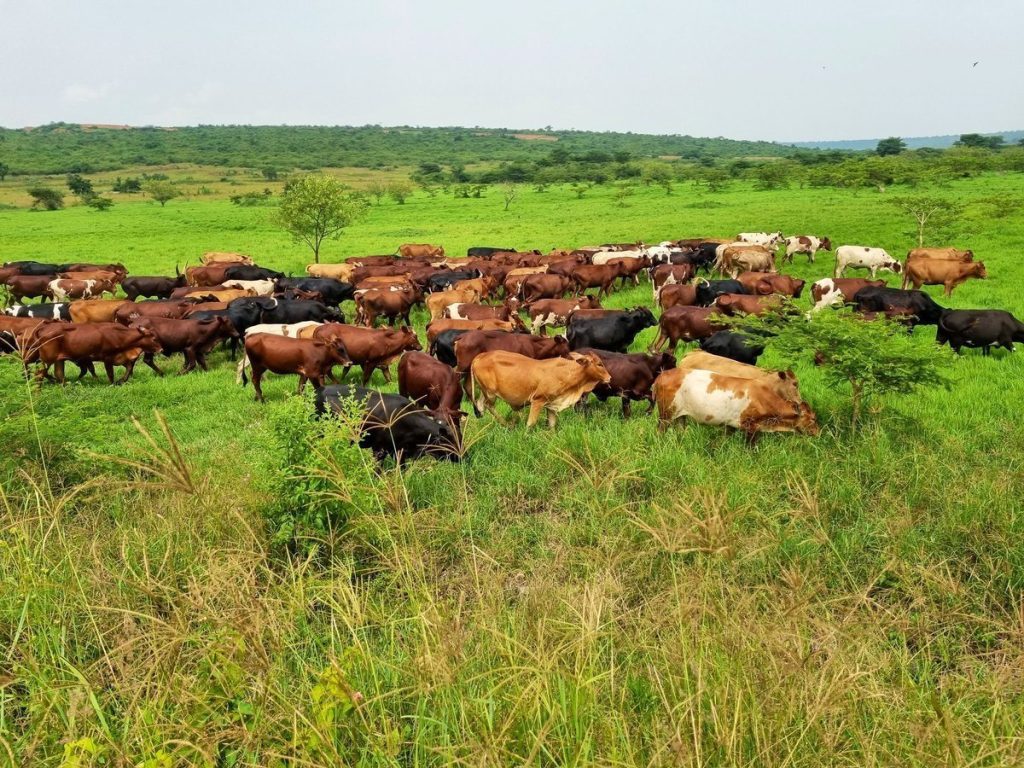
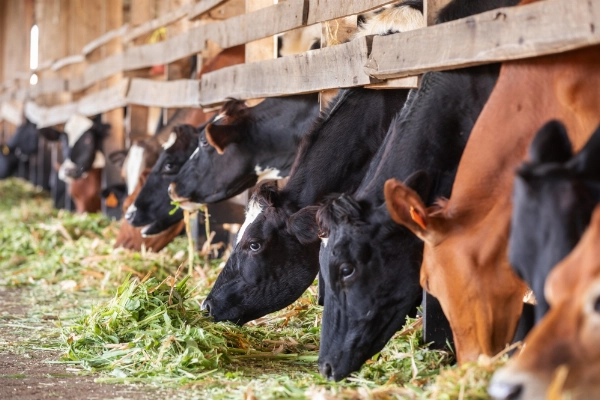
It was to be implemented on nearly 6,000 hectares in Bugesera District, where cattle would be fed specially formulated feed to rapidly gain weight, reaching slaughter readiness within 120 days.
Although it began as a joint venture between the government and private investors, in 2024 the government bought out all private shares, making it a fully state-owned project.
In February 2025, the CEO of Gako Meat Company, Didace Rushigajiki, announced that the government had allocated about 6,000 hectares of land for the project to help achieve its goals.
Currently, at least 500 cattle can be supplied to the market each month, with plans to scale up capacity to at least 56,000 cattle and a slaughterhouse capable of processing at least 300 cattle per day.
The project also aims to access international markets, including East Africa and the Middle East.
Rwanda plans to increase meat production from 207,097 tonnes in 2023/24 to 242,223 tonnes by 2028/2029.