
The Kigali Amendment seeks to protect the ozone layer by phasing down the use of hydrofluorocarbons (HFCs), gases mainly emitted by cooling equipment and known to contribute significantly to global warming.
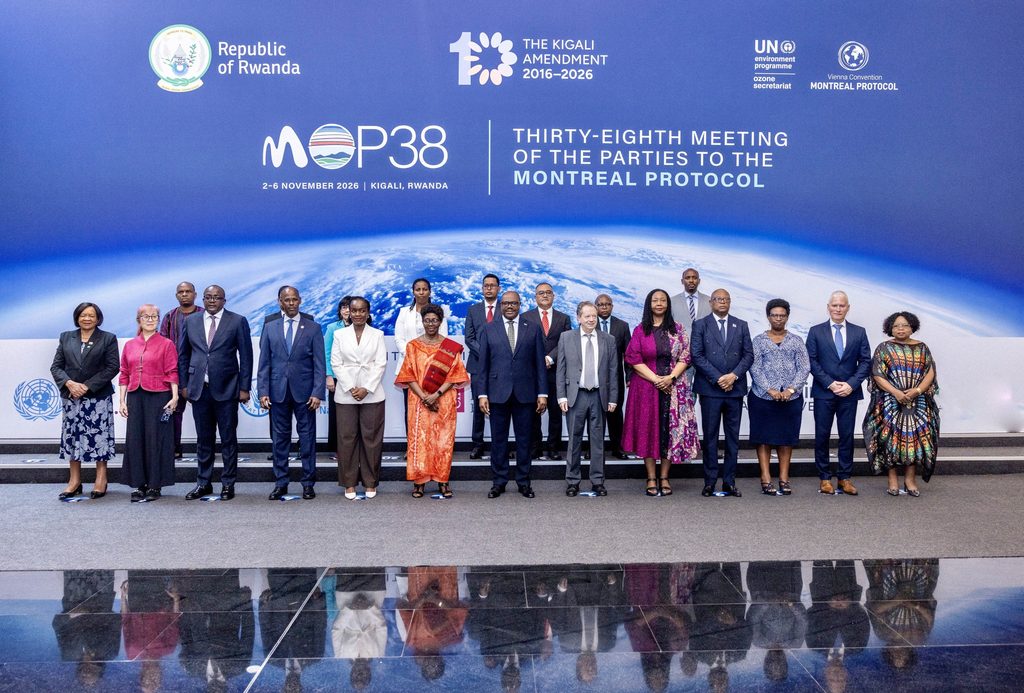
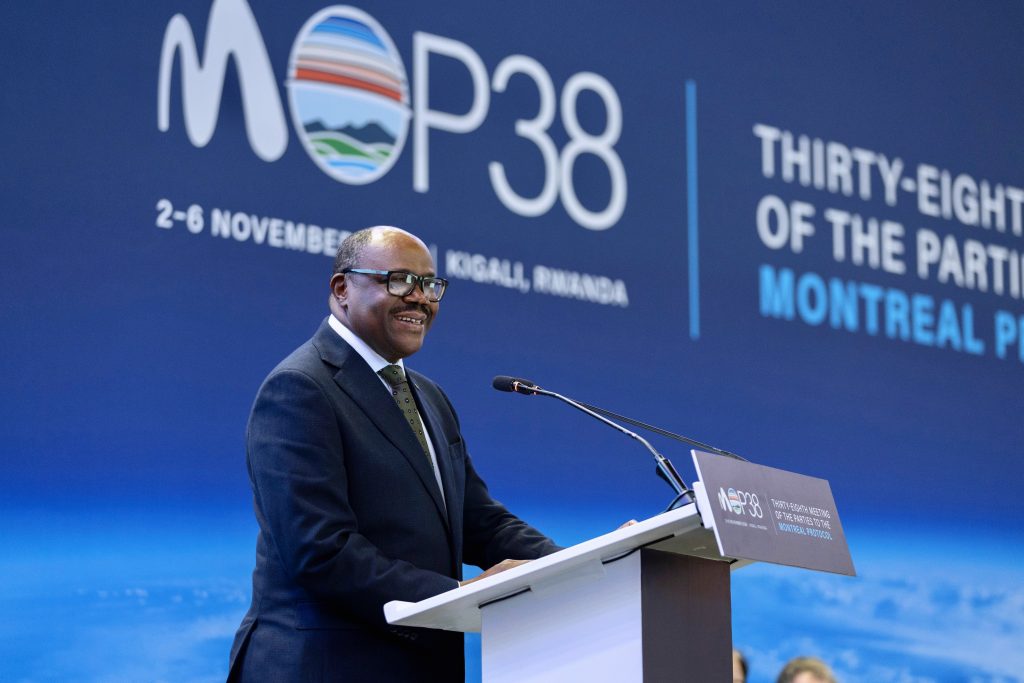
Speaking at the opening of the 38th Meeting of the Parties to the Montreal Protocol (MOP38), Prime Minister Dr Justin Nsengiyumva reflected on the history of efforts to strengthen the Montreal Protocol. He reminded delegates that Rwanda hosted the meeting ten years ago, when a landmark decision was reached to adopt the amendment, now known as the Kigali Amendment.
He said the decision made in Kigali demonstrated that countries could join forces to address global challenges while taking into account each country’s capabilities and development needs.
“Full implementation of the Kigali Amendment would make a significant contribution to protecting our climate and improving the well-being of people around the world, both today and in the future,” he said.
The Prime Minister also recalled a message delivered by President Paul Kagame when the amendment was adopted in 2016, highlighting the principles that should guide countries implementing the agreement.
At the time, President Kagame said: “We should not be satisfied with making small progress in addressing a problem when we have the capacity to solve it completely.”
Dr Nsengiyumva said the message should remind countries that success should not be measured by the agreements they sign or the commitments they make, but by the actual impact those decisions have on the planet and people’s lives.
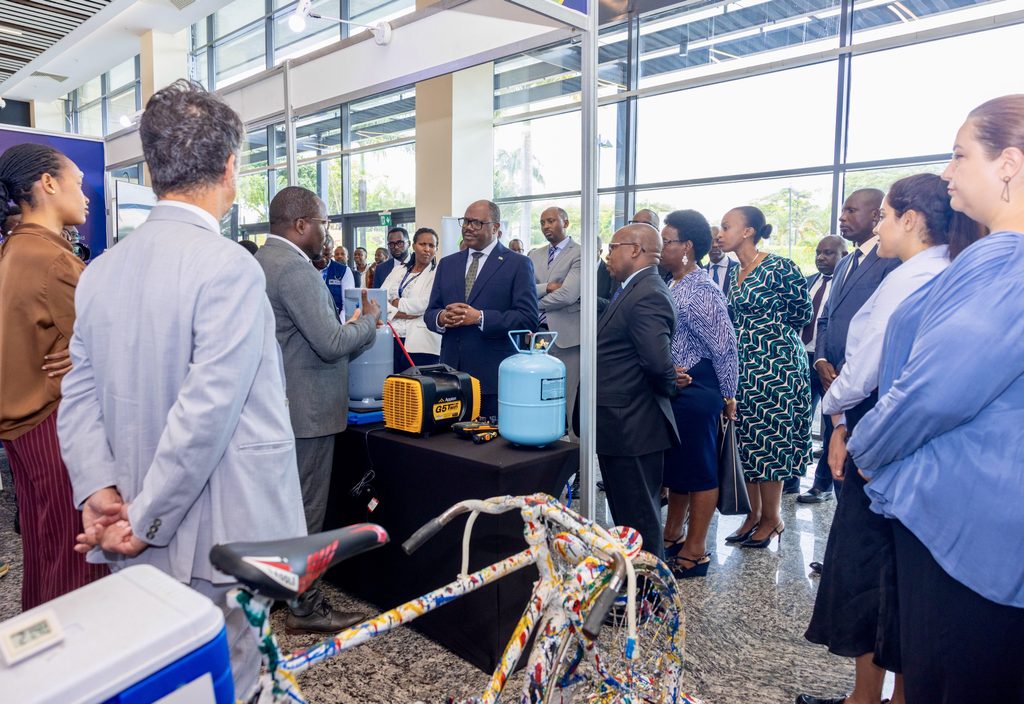
On cooling technologies, the Prime Minister emphasised that cooling food, medicines and living spaces should not be viewed merely as a means of improving comfort, but as essential to health, human dignity, economic opportunities and addressing climate change.
He cited farmers as an example, explaining that access to reliable cold storage could help ensure that harvested fruits and other crops reach markets without going to waste.
“Effective cooling systems are essential for preserving vaccines and critical medicines so that they can reach people who need them, including those living in remote areas. In addition, access to reliable cooling services remains a challenge for millions of people, particularly in Africa, where electricity is still limited and often unreliable,” he said.
He noted that demand for cooling services continues to grow, requiring countries to find ways of meeting this need without harming the environment, through energy-efficient and climate-friendly technologies.
Explaining the changes needed in the cooling sector, Dr Nsengiyumva said the transition should go beyond replacing old technologies with new ones. It should also involve developing infrastructure, building people’s skills and capacities, and promoting industries capable of providing sustainable solutions.
“Rwanda will advance this goal through initiatives such as the African Centre of Excellence for Sustainable Cooling and Cold-chain,” he said.
The African Centre of Excellence for Sustainable Cooling and Cold-chain, established in Rwanda, aims to support Africa through research and training.
Rwanda believes such initiatives help countries build their own capacity to benefit from opportunities in providing environmentally sustainable cooling services.
International cooperation is essential
Dr Nsengiyumva stressed the importance of cooperation among countries, noting that no nation can address global challenges on its own.
“South-South Cooperation and other forms of international collaboration are essential for pooling knowledge, capacity, resources and experience,” he said.
He added that such partnerships should enable developing countries to participate in decision-making and lead the transition towards sustainable cooling, rather than simply being expected to adapt to technologies and systems developed elsewhere.
The Prime Minister urged delegates attending MOP38 to go beyond the minimum requirements of the agreement and ensure that their commitments are implemented on time and sustainably.
“The next ten years should be defined by concrete action and measurable results, rather than words and promises alone. We must take meaningful steps beyond what is required and strive to achieve what is possible,” he said.