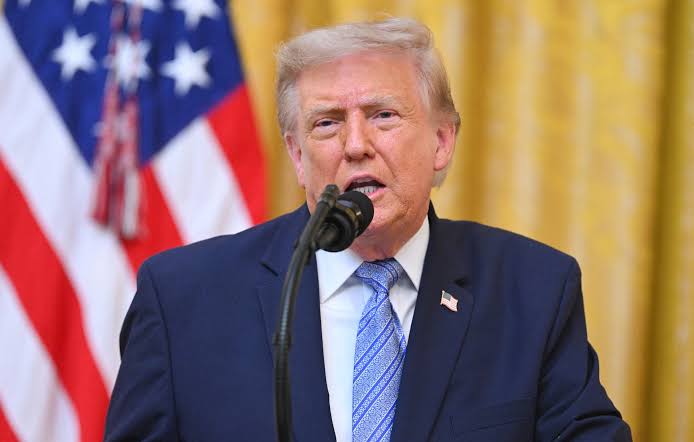

Trump announced the initiative on Monday, October 26, 2026, about one week before the US midterm elections.
He unveiled the programme at the White House alongside Vice President JD Vance. It is intended to encourage members of the public to report suspected election fraud, whether involving past elections or the upcoming vote.
The rewards will depend on whether the information provided leads to arrests and criminal convictions, rather than merely identifying individuals suspected of election fraud.
The announcement comes as opinion polls suggest that the midterm elections could pose a challenge for Trump’s Republican Party.
The announcement has raised questions about how the reward programme will be administered, including where the money will come from, how people should submit information, and which authorities will determine whether a claim qualifies for payment. The White House had not provided further details following Trump’s announcement.
The offer comes as the United States prepares for the November 3 midterm elections, in which voters will elect members of the House of Representatives and a portion of the Senate. The results will determine whether Republicans retain control of Congress, potentially affecting Trump’s ability to advance his legislative agenda. Polls suggest the elections could be challenging for his party.
Trump has repeatedly questioned the integrity of previous US elections, particularly his defeat in the 2020 presidential election. However, claims of widespread fraud in that election were not substantiated by evidence sufficient to overturn the result, and courts rejected numerous challenges.
The proposed reward also comes amid wider disputes over federal involvement in election administration. The Trump administration has pushed for stricter election oversight, including seeking access to voter-registration data and challenging certain state election procedures. Critics argue that some of these efforts risk undermining the independence of state election authorities.
It remains unclear how the proposed $1 million reward will be funded or what safeguards will be put in place to ensure that information submitted by the public is credible and that allegations are properly investigated.