
He explained that officials are often given opportunities to correct their mistakes, but some fail to improve.
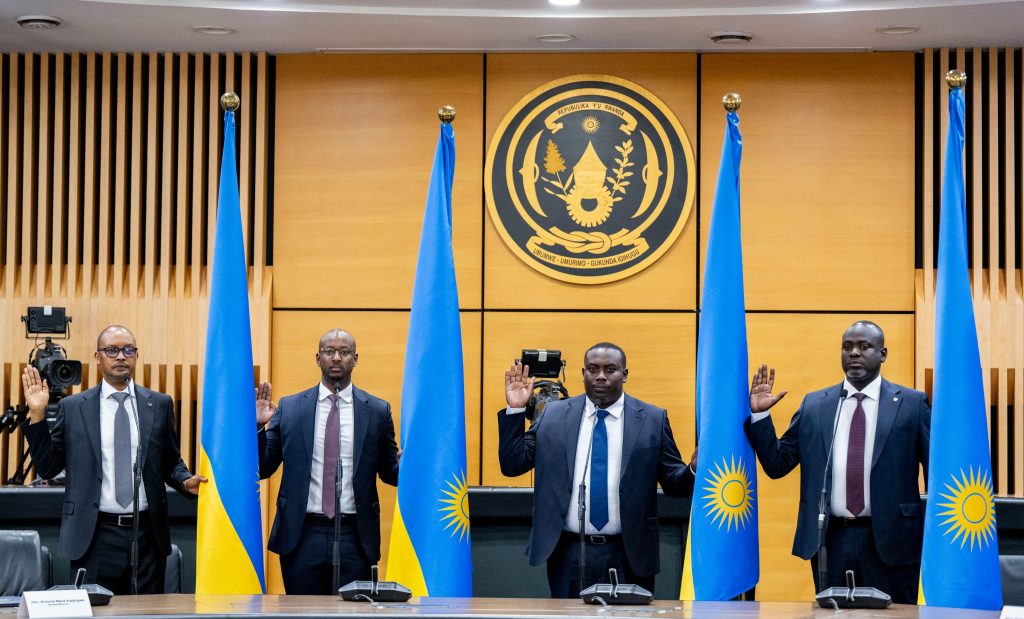
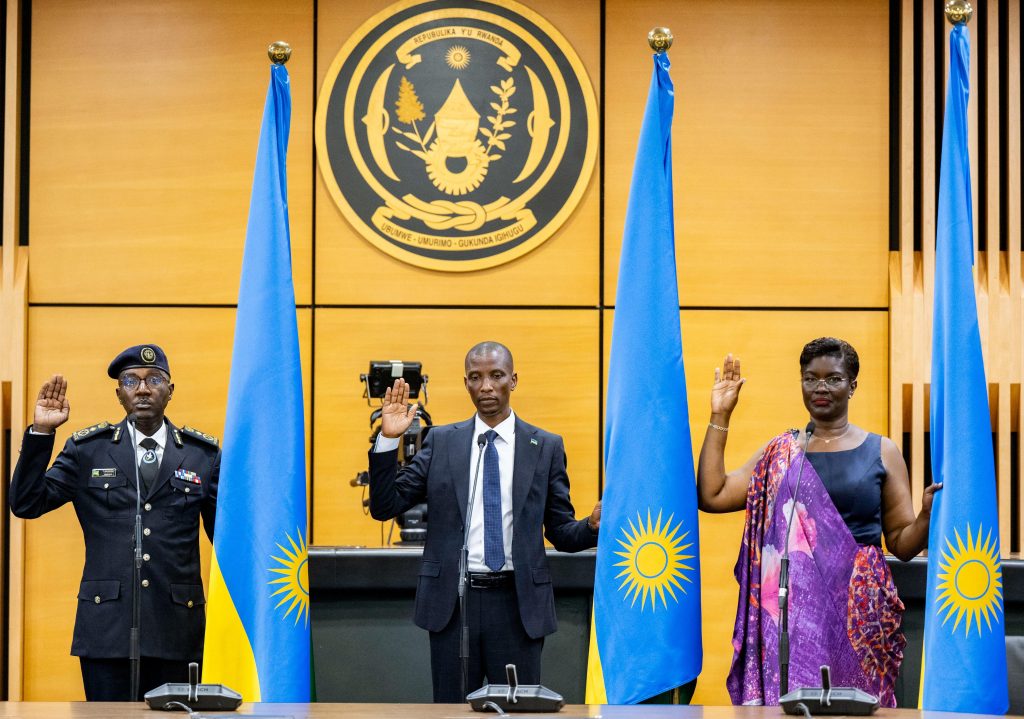
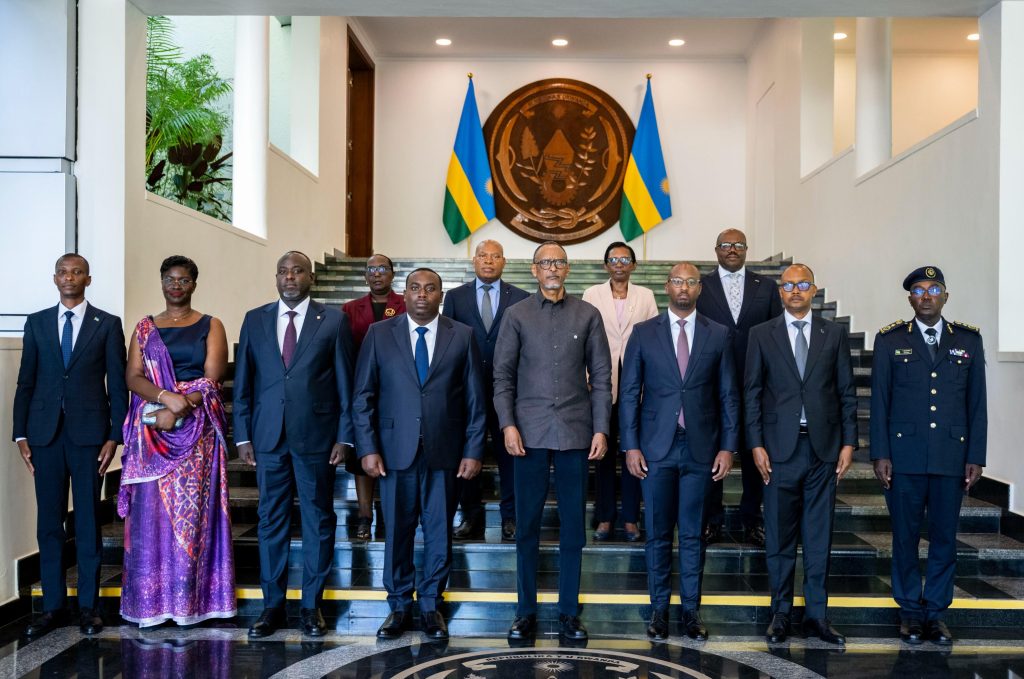
He made the remarks on June 17, 2026, after administering the oath of office to newly appointed leaders in government and other key national institutions.
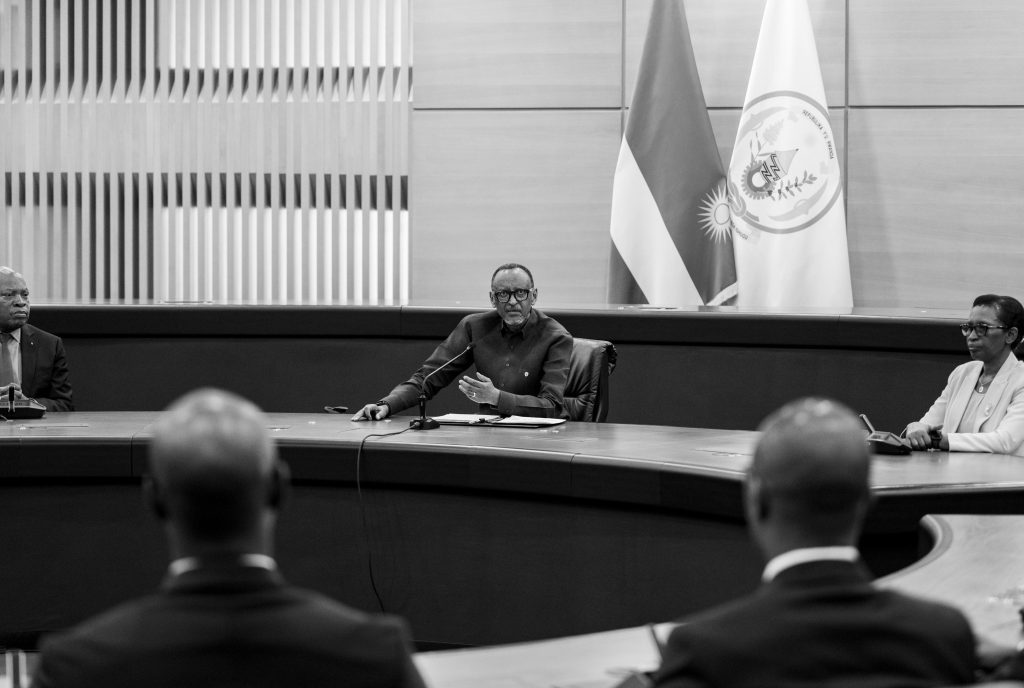
The President noted that no responsibility should be beyond the capacity of leaders, but problems arise when some officials fail to develop a culture of listening, seeking solutions, and correcting shortcomings.
“As for changes such as these, they could actually happen much sooner than they do. Some people may think ministers are being replaced too quickly. They may be changing quickly, but one should ask why,” he said.
President Kagame explained that during Cabinet meetings, ministers collectively agree on plans and timelines for implementation. However, when the time comes to review progress, some officials appear unaware of what they were supposed to accomplish.
“This is where we hold Cabinet meetings. We agree on a plan and decide what we are going to do. Everyone contributes ideas, decisions are made, and all the necessary documentation is in place. Perhaps a project was supposed to take six months, and after five months we ask, ‘Where have we reached with those plans?’ only to find that the person responsible does not even know the status of the work.”
He described this tendency as a serious problem.
“That problem is widespread. But those who lead institutions and supervise people often exercise patience. The first time, you may overlook it, thinking it was a weakness or a mistake, since people do make mistakes. The second time the same mistake happens, you ask, ‘What happened? We had already addressed this before.’ Yet you may still give the person another chance.”
The President said that when the same mistake is repeated for a third or even fourth time, it becomes clear that there is a deeper problem and that continued tolerance is no longer possible.
He stressed that Rwanda has many capable citizens who can perform the duties assigned to ministers and other leaders. Therefore, when officials lose the confidence of leadership, replacements can be found.
“When it happens a third time, and sometimes even a fourth, there is clearly a serious problem. At that point, decisions have to be made. Some people might simply let it continue until it becomes a culture. Patience eventually reaches its limit. The other Rwandans I mentioned are there, and we know they are capable of doing this work. Then you look among them and ask who can take over before bad habits prevent them from succeeding as well.”
Kagame noted that many of those appointed to replace officials who lost the confidence of leadership perform well and deliver the expected results.
“There are those who take on new responsibilities and perform as expected. That is a good thing, and we always appreciate it.”
The President concluded by urging newly appointed officials to remember the oath they had taken and to understand the weight of their responsibilities. He said that good performance benefits both the country and the officials themselves, while also helping them avoid temptations and misconduct.
Those who took the oath of office included Damien Murwanashyaka, who was appointed Minister of Infrastructure; Antoine Marie Kajangwe, appointed Minister of Trade and Industry; Col. Claudien Bizimungu, appointed Minister of State in the Ministry of Infrastructure; and Armand Zingiro, also appointed Minister of State in the Ministry of Infrastructure.
The Head of State also received the oaths of office from other newly appointed officials, including Judith Mbabazi, who was appointed Deputy Ombudsperson in charge of preventing and combating injustice within the Office of the Ombudsman.
Also sworn in were James Uwizeye, appointed Deputy Secretary General of the National Intelligence and Security Service (NISS), and CP Theos Badege, appointed Deputy Commissioner General of the Rwanda Correctional Service (RCS).