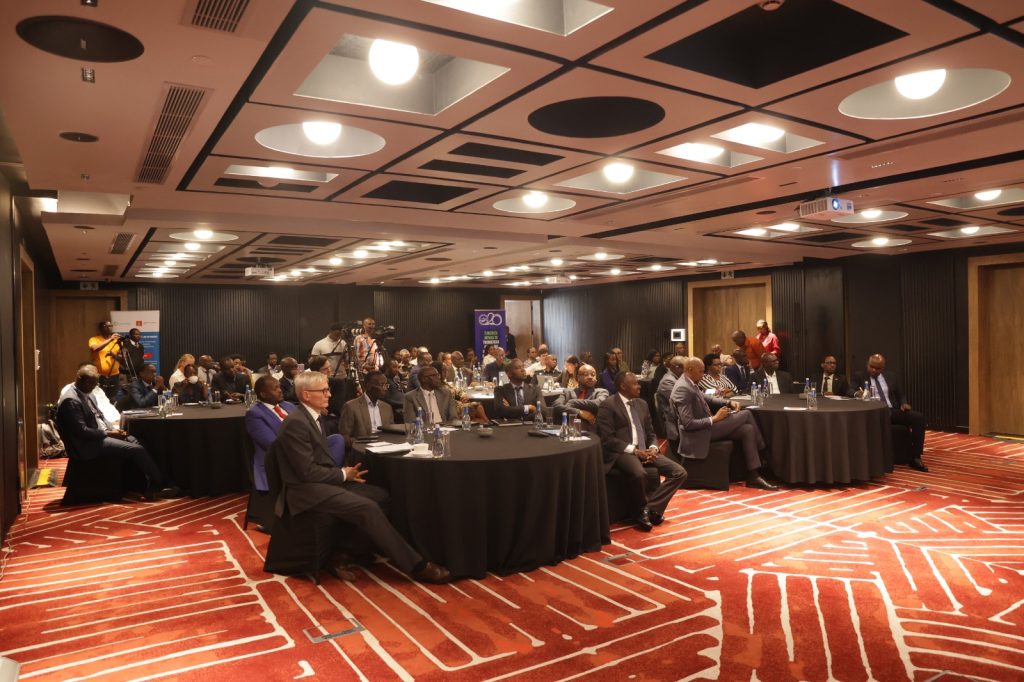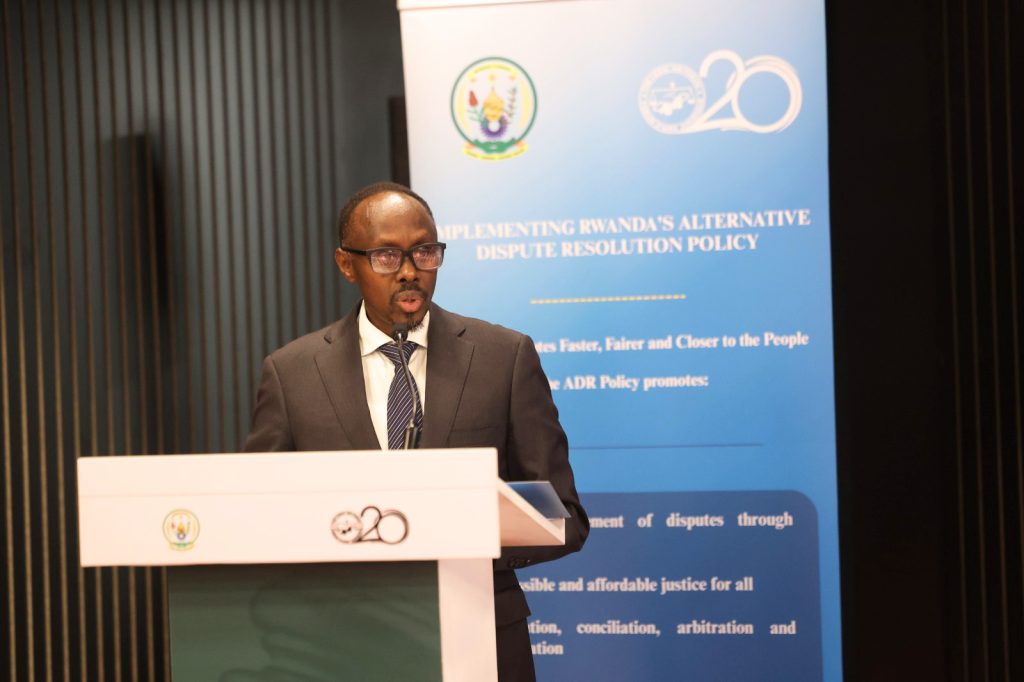

Institutions from both the public and private sectors involved in Rwanda’s justice system say that the Alternative Dispute Resolution (ADR) policy, which has been in place for four years, has produced positive results by reducing the backlog of cases in courts as well as overcrowding in correctional facilities.
However, despite the progress made, the Executive Director of Legal Aid Forum, Andrew Kananga, believes there are still areas that need improvement, including fast-tracking the law governing mediation.
“What is still missing for us to fully achieve the objectives of these policies? As ADR practitioners have pointed out, some laws have not yet been enacted. ADR cannot function effectively on its own because it requires supporting legislation. When that legislation is not in place, it does not only affect civil society and the private sector—it affects all of us. For example, some cases continue to be filed in courts simply because the necessary law has not yet been enacted.”
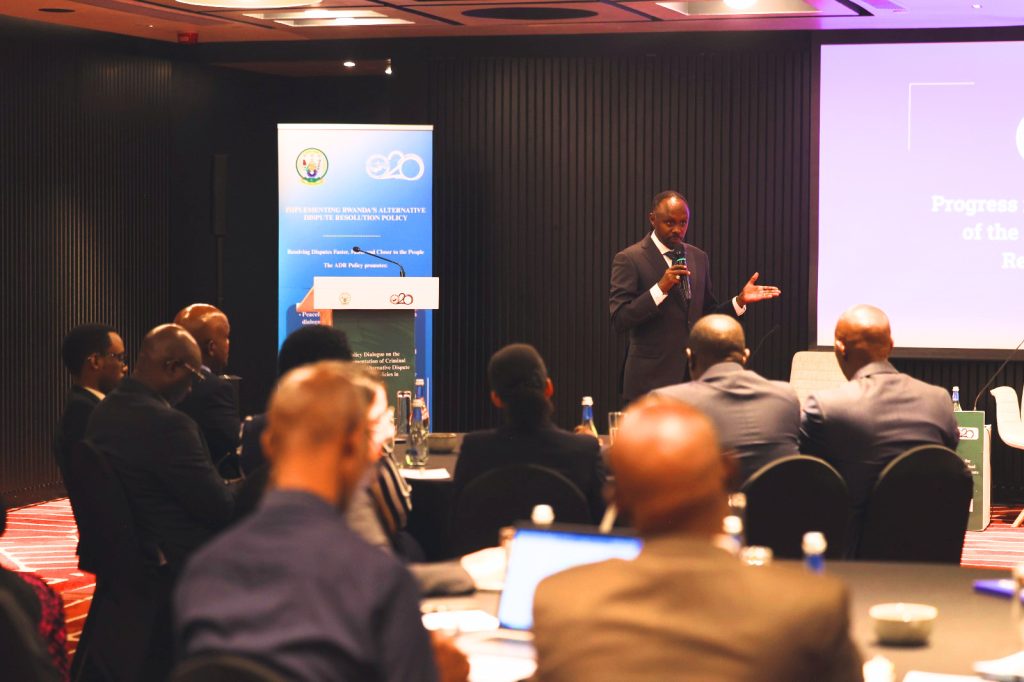
According to the National Commission for Human Rights’ 2024–2025 report, prison overcrowding declined from 134.3% in 2023–2024 to 110% in 2024–2025.
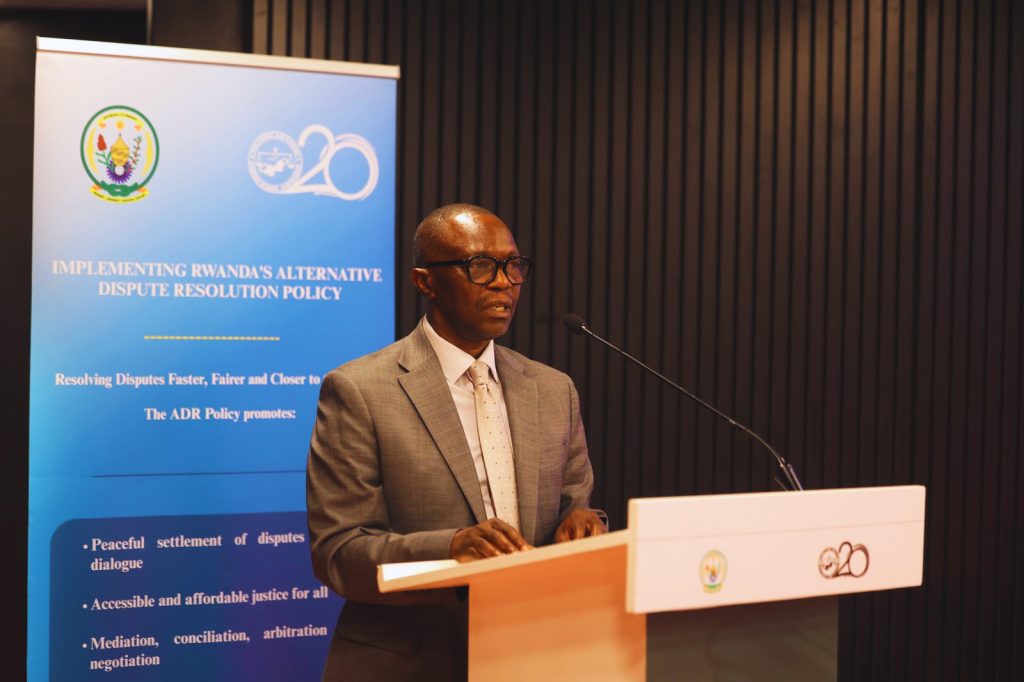
The Deputy Chief Justice, Alphonse Hitiyaremye, emphasized that Rwanda will continue promoting this policy in partnership with stakeholders to ensure faster access to justice.
“Resolving disputes through alternative mechanisms and restorative justice is no longer merely a policy aspiration—it is now a practical approach that contributes significantly to improving access to justice. It helps reduce case backlogs, strengthen reconciliation, and increase public confidence in the justice system. As we continue moving forward, we remain committed to improving our role, honestly identifying areas that still require improvement, and working even more closely with all stakeholders. Together, we will continue implementing these policies so they deliver visible and sustainable results in improving access to justice.”
Over the past four years, more than 11,000 cases have been resolved through court-assisted mediation between disputing parties. Over the last 44 months, more than 36,000 criminal cases were concluded through plea bargaining and negotiated sentencing. In the past 10 months alone, 1,858 cases were resolved through agreements reached between offenders and victims.