


Germany’s far-right Alternative for Germany (AfD) emerged as the strongest party in a state election in northeastern Germany on Sunday, September 20, increasing pressure on Chancellor Friedrich Merz and his conservative government.
In Mecklenburg-Western Pomerania, the AfD received about 38.3% of the vote, according to early projections reported by German public broadcaster ARD. The centre-left Social Democratic Party (SPD) followed with 35.4%. Merz’s conservative bloc was below the 5% threshold needed to enter the state parliament in the early count.
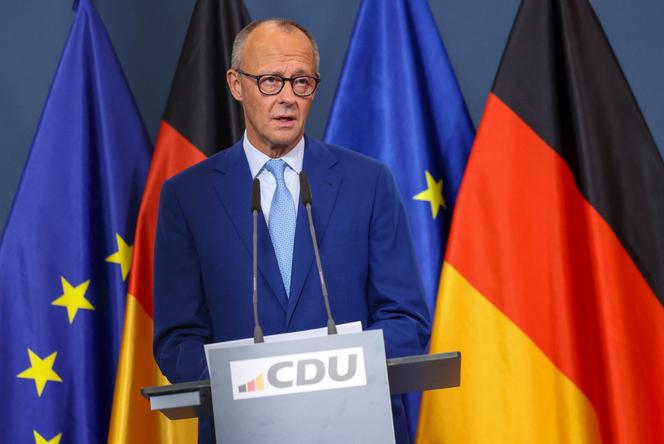
Merz described the result as a “disaster” but said he would remain in office and continue with his reform plans. His government has been trying to address Germany’s weak economic growth while facing criticism over planned changes to pensions, taxes and healthcare.
The result came only two weeks after the AfD also finished first in Saxony-Anhalt, another eastern German state. The party has gained support in recent years, particularly over concerns about living costs, migration, energy prices and Germany’s support for Ukraine.
In Berlin, the results showed a different political picture. The left-wing Die Linke was leading with about 25.3%, while Merz’s conservatives had fallen to around 19%. The AfD also increased its support to about 16.3%.
The elections have renewed debate over Germany’s political strategy toward the AfD. The country’s main parties have so far refused to form coalitions with the far-right party, a policy often described as a political “firewall”.
The elections also highlighted voter concerns about the cost of living. Rising energy and housing costs were important issues during the campaigns, particularly in Mecklenburg-Western Pomerania.
SPD leader and Vice-Chancellor Lars Klingbeil has called for changes in the government’s approach, including on pension reforms. Merz, however, has defended his programme, arguing that major economic reforms are necessary to improve Germany’s growth.
The latest results add to the challenges facing Merz as his government tries to maintain support while addressing economic problems and growing competition from parties on both the right and left.