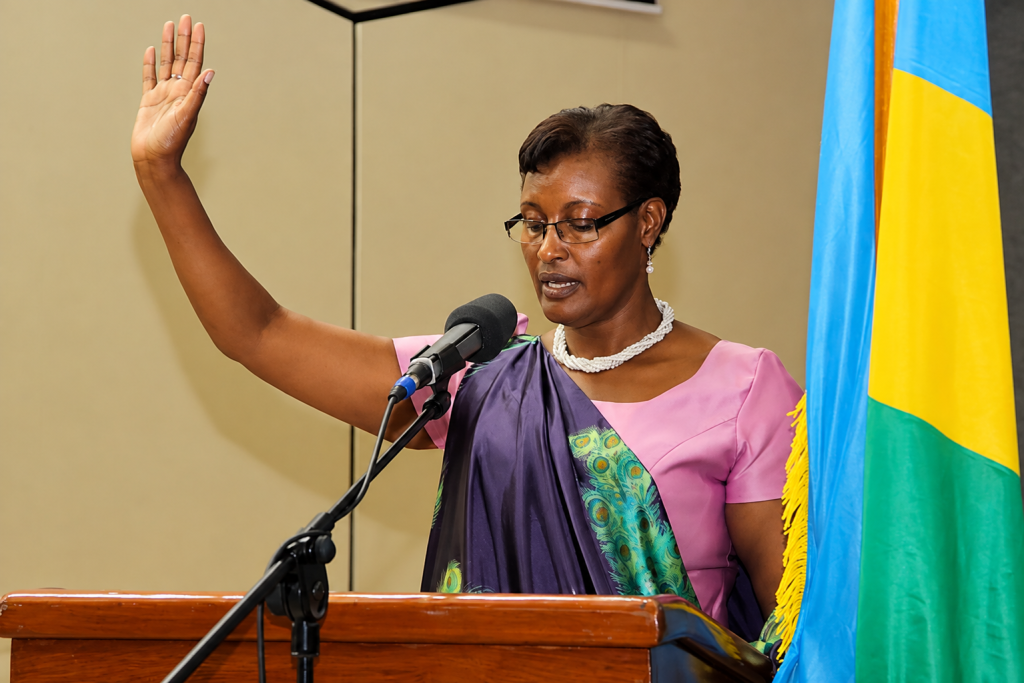

A few days have passed since the death of former Speaker of the Chamber of Deputies, Donatille Mukabalisa, who passed away at King Faisal Hospital after battling illness. Her death deeply saddened many Rwandans.
Many remember her as a caring leader, a dedicated public servant, a patriot, and a person known for her wisdom and humility.
Although she accomplished many things during her public service, several milestones achieved while she led Rwanda’s Parliament significantly transformed the lives of many Rwandans. These achievements remain among the defining aspects of her legacy.
Mukabalisa was first elected as a Member of Parliament in 2003 under the Liberal Party (PL). From that point, her parliamentary career continued uninterrupted, serving in both chambers before becoming Speaker of the Chamber of Deputies.
Below are some of the most notable achievements during her leadership.
Constitutional Amendment
Only two years after becoming Speaker of the Chamber of Deputies, Mukabalisa faced one of the most significant constitutional processes in Rwanda’s recent history.
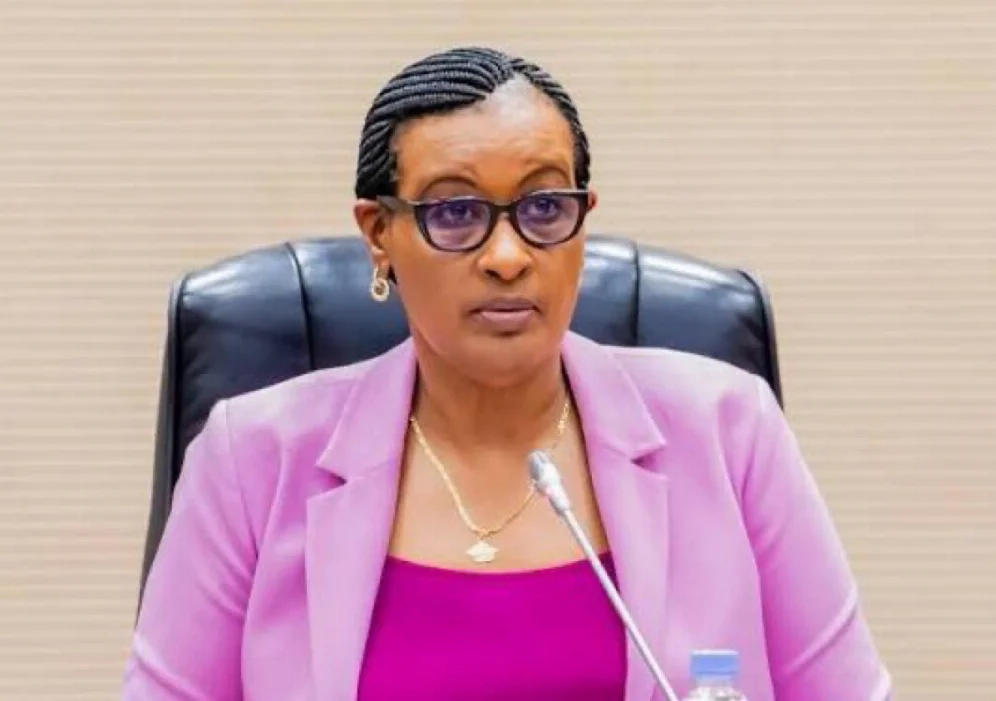
In 2015, more than four million Rwandans petitioned for amendments to the Constitution to allow President Paul Kagame to continue leading the country.
At the time, the Constitution limited the President to two seven-year terms. President Kagame, first elected in 2003, was expected to complete his second term in 2017.
Following widespread public support for constitutional amendments, the proposal was examined and ultimately approved.
Article 101 was amended, reducing future presidential terms from seven years to five. However, the new provision was to take effect after an additional seven-year term, during which President Kagame was eligible to seek re-election, in line with the requests made by many citizens.
The process was politically sensitive and required considerable leadership to guide Members of Parliament with differing political views toward adopting the amendment.
The constitutional revision remains one of the most significant legislative processes in Rwanda’s history. Since it had already been endorsed by citizens through a referendum, Parliament’s role was to complete the legal process.
Serge Guillaume Nzabonimana, who served as Mukabalisa’s adviser from 2014 to 2020, said the constitutional amendment process was carried out professionally and reflected the wishes of the Rwandan people.
He explained that Parliament received petitions from approximately four million citizens nationwide and successfully reviewed and verified them before completing the process as requested by the public.
Strengthening Government Accountability
Beginning in 2013, Rwanda’s economy was experiencing steady growth, with the country making progress under Vision 2020.
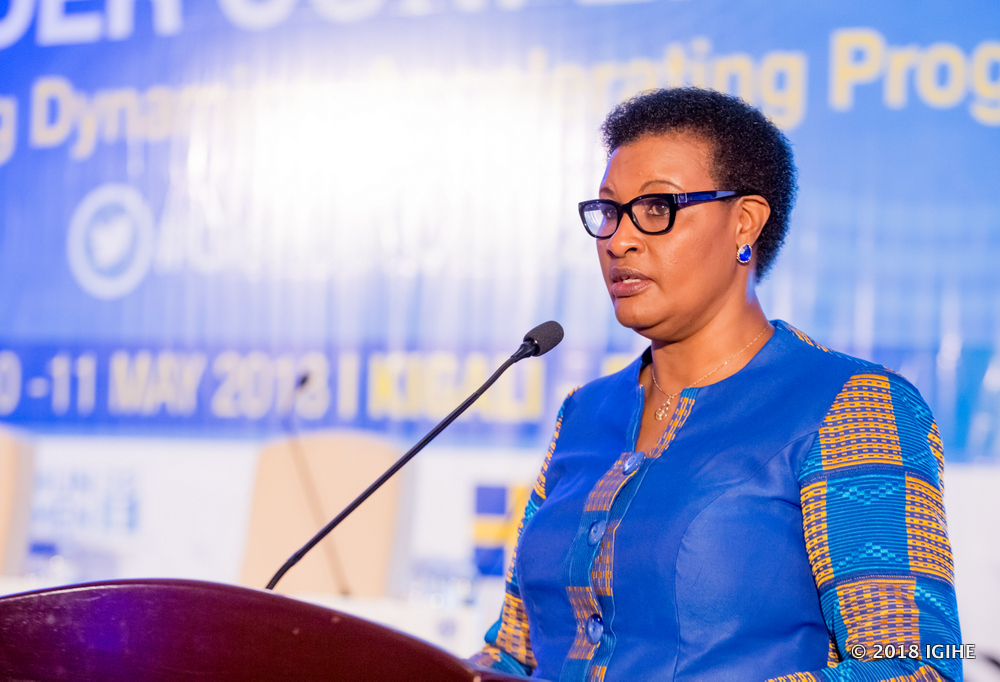
The national budget had increased to Rwf1.653 trillion, creating greater responsibility for public institutions to ensure resources were used effectively for the benefit of citizens.
When President Kagame swore in Members of Parliament in October 2013, he reminded them that all government actions should serve the interests of the people.
Parliament subsequently intensified its oversight of government institutions and public spending, fulfilling its constitutional responsibility to monitor government performance, identify weaknesses, and ensure that public resources addressed citizens’ needs.
Sheikh Musa Fazil Harerimana told IGIHE that during Mukabalisa’s leadership, Parliament became a central pillar of Rwanda’s development.
He noted that as Rwanda’s economy expanded, increased public resources also created greater risks of inefficiency and misuse, making parliamentary oversight even more important.
According to him, Members of Parliament actively monitored government performance across the country, encouraging greater accountability among public officials.
He added that this oversight contributed to reducing the number of financial management issues highlighted annually by the Office of the Auditor General.
Passage of Landmark Laws
From 2013 onward, Parliament debated and passed numerous laws that addressed important social and economic issues affecting Rwandans.
Among the most significant was the law governing persons and family matters, which helped resolve many family-related disputes.
Harerimana described family law as one of the most important legal reforms because every citizen belongs to a family, making it fundamental to national development.
Nzabonimana explained that although the law has since been amended, its adoption in 2016 significantly strengthened legal protection for families.
During Mukabalisa’s final term, Parliament also passed tax laws aimed at increasing Rwanda’s domestic revenue and reducing dependence on foreign aid by strengthening national financial self-reliance.
The 2018 Penal Code was another major legislative achievement, improving the administration of justice. It has since been revised to align with Rwanda’s policy of promoting alternative dispute resolution instead of relying solely on court proceedings.
Parliament also passed legislation affecting everyday life, including healthcare laws that expanded access to reproductive health services for adolescent girls and introduced legal provisions governing assisted reproductive technologies and surrogacy.
In 2018, Parliament approved a new Labour Law requiring a ministerial order establishing a national minimum wage. However, the implementing order has yet to be issued.
Many other important laws covering land management, trade, taxation, justice, healthcare, technology, arts, and other sectors were also enacted during her leadership.
Synchronizing Presidential and Parliamentary Elections
Since Rwanda’s transition in 2003, presidential and parliamentary elections had been conducted separately because the President served a seven-year term while Members of Parliament served five-year terms.
Following the 2015 constitutional amendment, the presidential term was reduced to five years, matching the parliamentary term.
As a result, beginning in 2024, Rwanda held presidential and parliamentary elections simultaneously.
The decision was intended to reduce the cost of organizing separate national elections held only months apart.
Expanding Parliamentary Diplomacy
According to Nzabonimana, Mukabalisa also strengthened relations between Rwanda’s Parliament and legislative institutions around the world.
Her international engagements helped promote Rwanda’s achievements, particularly in advancing gender equality and women’s participation in leadership.
He recalled accompanying her on numerous international visits where she was frequently invited to explain Rwanda’s success in empowering women, presentations that were well received by international audiences.
Her efforts contributed significantly to enhancing Rwanda’s international image
Today, Rwanda continues to rank among the world’s leading countries for women’s representation in decision-making institutions.
Women currently make up 63.8 percent of the Chamber of Deputies and 50 percent of the Senate.
Rwanda’s Parliament now maintains strong partnerships with legislatures across the world, many of which regularly visit the country to learn from its experience.
Throughout her two terms as Speaker, Mukabalisa worked alongside Members of Parliament to oversee government activities, represent citizens’ interests, resolve public concerns, and enact legislation that benefited the country.
Many who worked with her remember her as an exceptional leader with extensive experience.
They describe her as humble, consultative, committed to leading by example, and devoted to serving the public interest.
Donatille Mukabalisa served as Speaker of the Chamber of Deputies for 11 years, from 2013 to 2024.
She passed away on July 30, 2026, following an illness.
Courtesy of IGIHE