
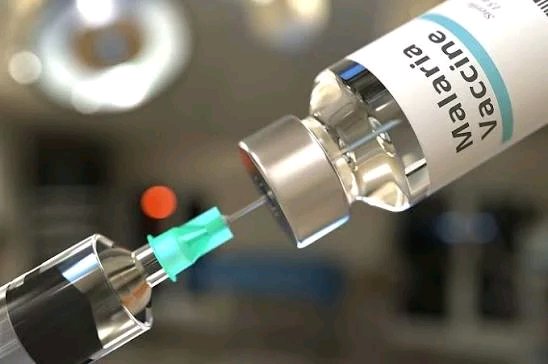

The drug, known as MMV371, is being developed by Medicines for Malaria Venture (MMV) in partnership with Rwanda’s health research organisation, Rinda Ubuzima. On November 2, 2026, the two organisations announced the launch of a Phase 1b clinical trial.
This is the first trial of its kind in Africa involving a long-acting injectable drug designed to prevent malaria. It follows earlier research conducted in the United Kingdom, which provided findings that supported the decision to proceed with further testing.
The research is still at an early stage. Its main objectives are to assess the drug’s safety, identify possible side effects and determine how long it remains in the body. The proposed three-month protection period is a target that developers hope to establish; its actual duration has not yet been confirmed.
For Rwanda, the trial is significant for two main reasons: exploring additional ways to protect the population against a disease that continues to recur, and participating in early-stage research into the development of new medicines.
Figures show that malaria incidence in Rwanda stood at 72 cases per 1,000 people in 2025/2026, down from 76 in the previous year. Despite the decline, the rate remained above the 45 cases per 1,000 people recorded in 2023/2024.
The trial will involve approximately 80 participants aged between 12 and 50, who will be monitored by Rinda Ubuzima in Kigali. Participants will first have to provide informed consent after receiving an explanation of the study. For those below the age of 18, parental or guardian consent will also be required. Pregnant and breastfeeding women will not be eligible.
Under the study design, three-quarters of participants will receive MMV371, while the remaining quarter will receive an injection containing no active drug, known as a placebo. Neither the participants nor the researchers monitoring them will know who has received the actual drug until the trial ends. Comparing the two groups will help researchers distinguish the effects of the drug from other factors.
Those receiving the injections will be monitored for 24 weeks. The programme includes a two-night stay at the research facility and 15 follow-up visits, during which researchers will assess participants’ safety, the concentration of the drug in their bodies and any malaria infections.
Measuring the drug’s concentration in the blood will help determine whether it remains in the body at levels that could provide protection for a sufficient period.
Rinda Ubuzima Chief Executive Officer Marie Michele Umulisa said conducting the trial in Rwanda demonstrates the importance of partnerships that enable African researchers to contribute to finding solutions to health challenges affecting their communities.
MMV371 is designed to be injected and release the drug gradually. Once inside the body, it is converted into a compound called atovaquone, which is already found in Malarone, an oral medicine used to prevent malaria.
The innovation lies in how the medicine is administered and how long it could remain effective. Researchers hope that the injection will keep the drug in the body for an extended period, reducing how frequently people need to take malaria prevention medication.
Dr Joyce Eugénie, a physician at Gatenga Health Centre, believes people living far from health facilities could benefit significantly from this approach.
In a commentary accompanying the research, she noted that some people treat themselves without first consulting healthcare professionals because of difficulties accessing medical services. She believes a long-acting preventive drug could help such communities if it is eventually approved and made accessible to them.
She also highlighted the seriousness of malaria through an example from her medical experience. She recalled a 14-year-old child who was brought to hospital with severe malaria after the family had initially sought traditional treatment. The child subsequently developed other serious health complications, an experience that reinforced for her the importance of prevention and seeking medical care early.
However, questions remain about how the drug will reach those who need it. Dr Cristina Donini, MMV’s Head of Drug Research and Development, told The Telegraph that the price had not yet been determined, but affordability for those who may need the injection was among the issues being considered during its development.