
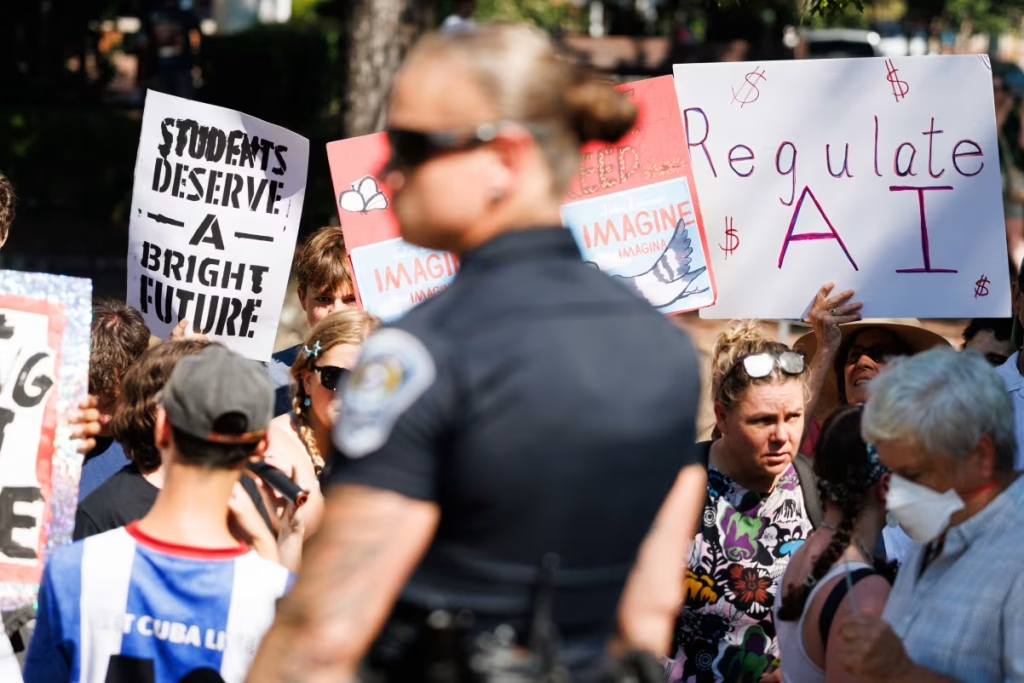

Trump’s comments come amid growing warnings from AI researchers and technology executives about the potential dangers of increasingly powerful AI systems. Several leading figures in the industry have recently called for greater caution and international cooperation to prevent advanced AI from developing beyond human control.
Speaking in Ireland, Trump dismissed what he described as exaggerated concerns about the technology, arguing that the United States cannot afford to fall behind China in the global AI race.
He said the U.S. needs to remain the world’s leading force in artificial intelligence and suggested that maintaining technological leadership would also help the country manage the risks associated with AI.
Trump’s position comes as some of the technology industry’s most prominent leaders have called for a more deliberate approach to AI development. Anthropic CEO Dario Amodei has warned of potentially catastrophic consequences from increasingly capable AI systems and has proposed measures aimed at improving safety and slowing the pace of development.
OpenAI CEO Sam Altman, xAI CEO Elon Musk and Google DeepMind CEO Demis Hassabis have also expressed support for greater caution, creating an unusual degree of agreement among executives from some of the world’s biggest AI companies.
The debate intensified after Jacob Coxon, a former researcher at Anthropic, resigned and publicly warned that advanced AI could pose an existential threat to humanity. His warning attracted widespread attention and renewed discussion about whether governments and technology companies are moving quickly enough to address potential risks.
Trump’s AI adviser, David Sacks, has also pushed back against calls for government intervention. He has argued that companies could voluntarily agree to slow development if they believe it is necessary, while warning against measures that could weaken America’s position in competition with China.
The disagreement highlights a growing divide over the future of AI. Technology companies and researchers are increasingly warning about safety risks, while Trump and some of his advisers are emphasizing innovation, economic competitiveness and national security.
The issue is expected to remain a major policy challenge for the United States as AI systems become more capable and increasingly integrated into areas ranging from cybersecurity and business to government and defense.
At the heart of the debate is whether the world can continue accelerating AI development while putting safeguards in place quickly enough to prevent potentially irreversible consequences.